
Why Does the Air Coming Out of My Vents Smell
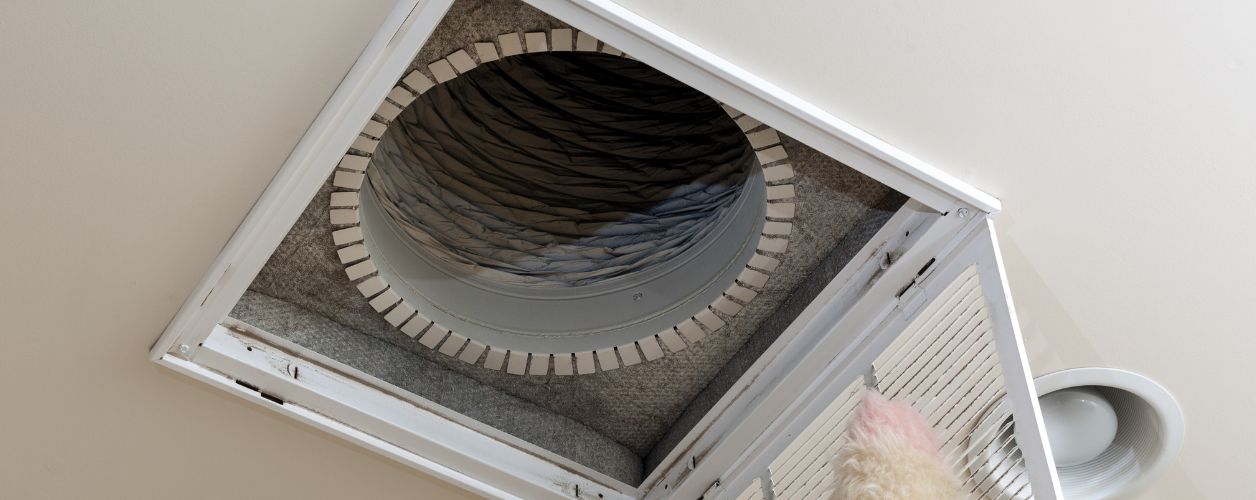
Table Of Contents
- Introduction
- Common Causes of Smelly Air from Vents
- Health Implications of Smelly Vents
- How to Identify the Source of the Vent Smell
- How to Prevent Smelly Air from Vents
- Conclusion
Have you ever come in to turn on your heat pump or ventilation system and wondered about a disgusting smell? Well, you are not alone. Foul odours that go through the vents are a well-known problem in New Zealand homes, particularly at the time of seasonal transitions when homes with vents might have gone weeks without being ventilated. The cause of the odour may range from dirt and a wet accumulation to other critical parts, such as mould growth or attacks by pests and insects. Knowing the cause is step one to returning fresh, clean air to your home. Check here all the details and make your air ducts and vents smell-free.
Common Causes of Smelly Air from Vents
Dust Accumulation and Stale Air
Your ducts can be crammed with dust and debris when the ventilation or heating system lies idle for a long time. This dust is kicked up by the system once you turn the system on; hence, the stale musty smell. It is especially prominent in the older houses that have the ducting, which has not been cleaned for several years.
Growth of Mould And Mildew
Mould or mildew is one of the most widespread reasons when the vents emanate a bad smell in New Zealand homes. The temperate nature of our climate, particularly in coastal regions, may make moisture accumulate within ductwork. This, along with low air flow, makes an ideal culture environment to produce mould spores that emit an unpleasant musty odour.
Mould usually develops because condensation grows within the system of ventilation. It may occur when the ducts traverse a cooler area, such as a roof inlet cavity or under the floor, and warm air in the house enters cooler surroundings.
Pest Infestations and Bacteria Growth
Occasionally, rodents or insects are swept into ducting in search of warming radiators or nesting sites. Sadly, they may lead to the stench, particularly when an animal gets stuck and decays inside the system. Defecation scatters, nest stuff and even rotten food may produce powerful odours.
The growth of bacteria in HVAC components, air ducts, filters, and ducting is removed as part of the cleaning for the air ducts.
Bacteria can emerge in your heating/cooling drip pans and the evaporator coils, and hence should be cleaned frequently. It is particularly bad when it comes to heat pumps and air conditioning in humid locations. The bacteria are capable of emitting a sour smell, akin to vinegar, which will travel fast throughout your home.
Seasonal Factors That Influence Vent Odours
Long Periods of Inactivity
In summer, you may barely use your heating, and in winter, you may never use your cooling. Such a lengthy intermission enables dust, moisture and other pests to amass in the system, subsequently producing bad smells whenever the system is restarted.
Weather and Humidity Levels
In New Zealand, humidity is very high, particularly in Northland or on the West Coast, which may lead to additional moisture in duct systems, which, in turn, can stimulate the growth of mould. On the contrary, arid environments may increase apparent dust loads once air flow resumes.
Chemical or Plastic Smells from New Installations
When replacing ductwork, insulation, or other parts of the HVAC system, there is a chance of a strong chemical or plastic odour since there are typically adhesives and sealants used during the manufacturing process, as well as the presence of synthetic materials, all of which can create an odour when an item emits an off-gassing effect.
In case the region does not have enough ventilation or little air flow, such odours may take some weeks or even months before they diminish naturally.
Burning or Smoky Odours from Electrical Issues
An occasional burning odour emanating through the vents may indicate that the electric components, including the blower motor, fan belt or wiring within the system, are getting overheated as a result of the operation.
Electrical problems have the potential to become rapid-fire incidents, which makes it necessary to contact a qualified HVAC technician to look into these smells at the earliest opportunity.
Pet-Related Odours in Duct Systems
Hair and dander build-up
Indoor pets have hair, dander, and even microscopic skin flakes that may be drawn into the HVAC system and will build up in the ductwork from time to time.
Odours mix with other contaminants
After these pet particles combine with dust and moisture within the system, they are able to cause an ongoing musty or animal scent that fills the home whenever the HVAC is on.
Sewer or Drain Gas Infiltration
In case of a crack in the plumbing vent pipe or a facilitated water trap problem in the plumbing arrangement of the house, the sewer gases would be able to get into the air vents and spread inside the house.
This sort of odour tends to be likened to that of rotten eggs or powerful sulphur and could be a severe danger to health when not addressed.
Perfume and Cleaning Product Build-Up
Fragrance residue in ducts
The use of air fresheners, scented candles or any strong cleaning solutions when in proximity of the vents may indirectly lead to these scents being deposited on the duct surfaces after a long time.
When pleasant smells turn stale
Once the dust and moisture in the ductwork come into contact with the residue, the formerly pleasant smell can become stagnant and repulsive as it ends up being circulated in the house again.
Outdoor Contaminants Entering the System
Proximity to odour sources
When the location of your HVAC intake is close to one of the smelly places, like rubbish bins, compost heaps, or industrial districts, then they could get sucked into the duct quickly and easily.
Impact of wind and weather
A change in wind direction or some weather patterns may also boost the chances of outdoor odours being found indoors.
Health Implications of Smelly Vents
Respiratory Irritation
When inhaled, contaminated air by mould spores, bacteria or dust can lead to coughing, sneezing or irritation of the throat. This is especially worrying to people who have asthma or allergies.
Headaches and Fatigue
Chronic exposure to poor IAQ may result in headaches, dizziness and even fatigue. These effects are some of the ones that most people might not consider when thinking about contaminants circulating in your ventilation system, but they can be readily associated with it.
How to Identify the Source of the Vent Smell
- Conducting a Visual Inspection: Provided that it is safe, take the vent covers off and inspect the presence of any dust, mould or pest activity. There are times when the issue could be near the opening of the vent as opposed to in the depths of the ducts.
- Inspection of the Air Filter: Often, bad odours have a common cause: a dirty or clogged air filter. This problem can be avoided by replacing or cleaning your filter regularly, which will help increase airflow.
- Checking for Unusual Noises: With pests as the cause, you will hear either scratching, scurrying, or even rustling sounds inside the ducts, either before or during their running.
How to Prevent Smelly Air from Vents
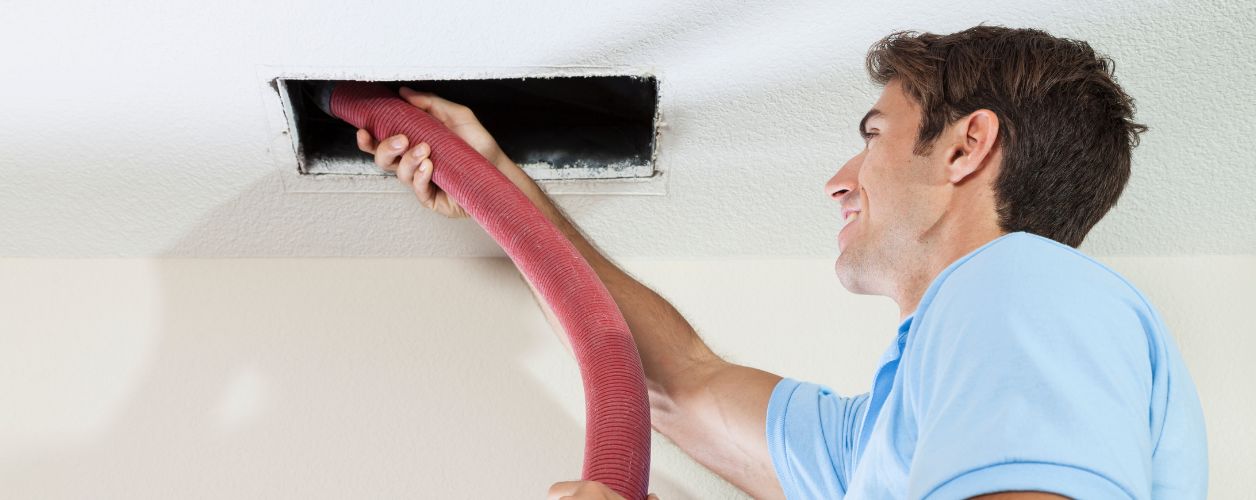
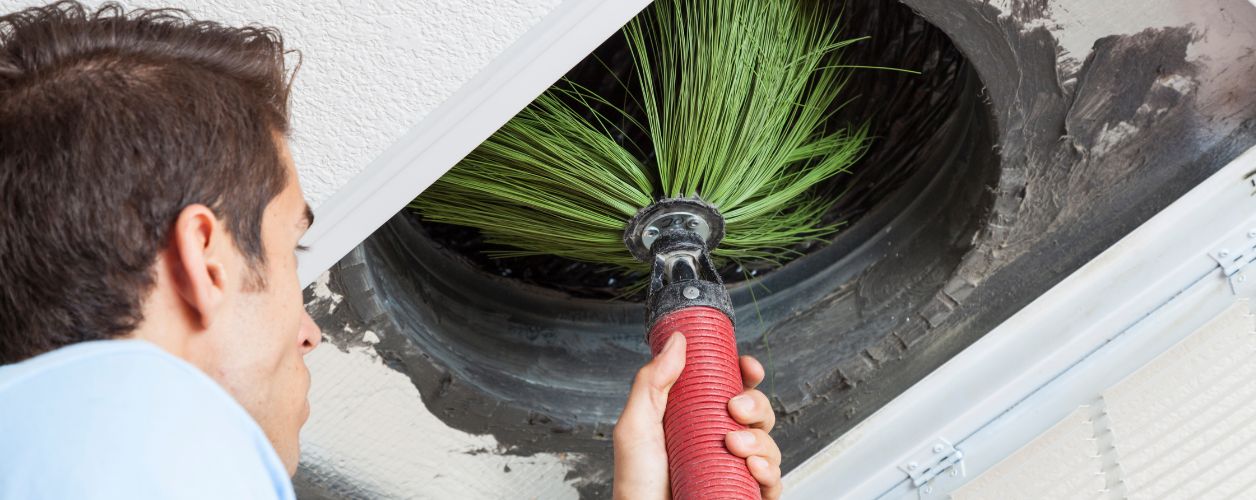
- Regular Duct Cleaning: The system can be cleaned of dust, mould spores and pest debris by professional duct cleaning every few years. This may cause a discernible difference in air quality in the New Zealand climate.
- Maintaining Optimal Humidity Levels: To keep the moisture in your ducts to a minimum, run a dehumidifier or make sure you have good ventilation, and mould and mildew will find it difficult to grow.
- Regular HVAC Servicing: A yearly heat pump/ventilation system will help in cleaning and visually inspecting filters, coils, and drip pans and checking the presence of bacterial colonies.
- Seek a Professional: When cleaning out your filters and vents, and the smell still won't go away, then it is time to call in a licensed HVAC technician. They can thoroughly inspect, test to see invisible mould growth and even eliminate blockages and pests in the system. Any time there is a severe infestation of mould, remediation is necessary, and the services of a professional should be sought to safeguard oneself.
Conclusion
Stinky air in your ducts is more than a mere inconvenience; it could be a sign that something is wrong with your vent system and will cause health issues and discomfort. The knowledge of the prevalent causes, including dust accumulation, the appearance of mould and pest invasion, allows taking precautionary measures in order to avoid odours development. Humidity control, regular cleaning and maintenance of the system are key to your indoor air being fresh. In any case, when in doubt, get professional assistance so that your vents give off cool, odour-free air all year round.
YOU MIGHT ALSO BE INTERESTED IN
Capital Cities
- Duct Cleaning Services in Whangarei
- Duct Cleaning Services in Auckland Central
- Duct Cleaning Services in Hamilton
- Duct Cleaning Services in Whakatane
- Duct Cleaning Services in Gisborne
- Duct Cleaning Services in Napier Terrace
- Duct Cleaning Services in Stratford
- Duct Cleaning Services in Palmerston North
- Duct Cleaning Services in Wellington Central
- Duct Cleaning Services in Richmond
- Duct Cleaning Services in Nelson East
- Duct Cleaning Services in Blenheim Central
- Duct Cleaning Services in Greymouth
- Duct Cleaning Services in Christchurch
- Duct Cleaning Services in Dunedin Central
- Duct Cleaning Services in Invercargill
- Duct Cleaning Services in Waitangi