
How to Remove Mould From Air Ducts?
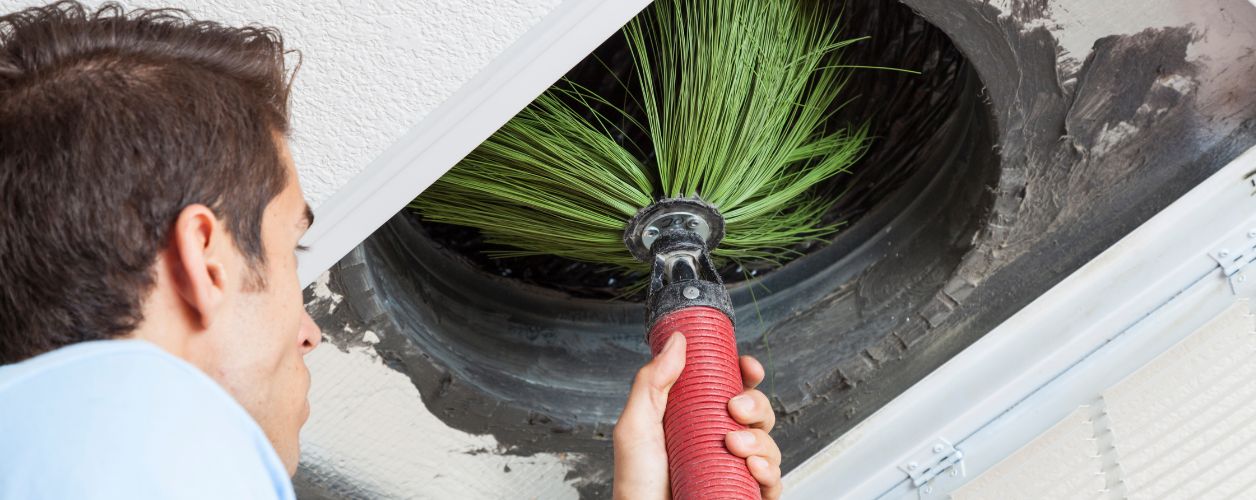
Table Of Contents
- Introduction
- Health risks of mould in air ducts
- Signs your air ducts may have mould
- Causes of mould growth in air ducts
- Safety precautions before cleaning
- DIY mould removal from air ducts
- When to call a professional air duct cleaner
- Professional mould removal process
- Preventing future mould growth
- Legal & safety regulations in New Zealand
- Conclusion
Air duct mould is of considerable concern when the building's interior air quality is being affected by an abundance of spores, which cause allergies and trigger asthma and other respiratory problems.
In New Zealand, an inherently humid climate coupled with occasional rainfall creates an ideal setting for mould to grow inside ductwork. This primary cause is either condensation with excess moisture, inadequate ventilation, leakage of water, or an unmaintained HVAC system. High-humidity areas, i.e., coastal areas, also give great opportunities for the potential growth of mould inside ducts.
Untreated mould could pose health threats to an occupant of a house, while it can also damage an HVAC system, leading to higher energy bills and repairs. Learn here “How To Remove Mould From Air Ducts?” and keep your home ducts clean and safe.
Health Risks Of Mould In Air Ducts
Respiratory Issues and Allergies
Small drops of water may pass through air ducts while carrying mould spores that make you sneeze and cough; wheezing and congestion increase with any such aggravating presence. However, in addition to asthma and allergies, the symptoms can be exacerbated to include sudden shortness of breath and pressure on the chest. Prolonged exposure can cause chronic respiratory irritation even to healthy individuals.
The risk factor for the vulnerable populations
Children, elderly people, and people with immune-compromised systems tend to be more susceptible to mould-related illnesses. Exposure could cause specimens to be finely thickened with persistent respiratory infections, skin irritation, and, in worst cases, fungal lung infections. For these groups, immediate mould control will resolve major health incidents.
Signs Your Air Ducts May Have Mould
Musty Odour When HVAC Runs
A scent of something damp and musty issuing from your vents whenever your heating or cooling system is in operation ranks as one of the primary indicators of mould. They tend to grow stronger once the system starts working, and the odour can be felt all around the house.
Visible Mould or Dark Spots Inside Vents
Be sure to examine your vent covers and duct openings for any green, black, or brown patches. Mould can appear fuzzy or slimy and can come to be found off in the ductwork, not merely up there on the surface. Any such marks should be taken seriously since, in the mould culture, these microscopic organisms can multiply very quickly in a dark, damp environment.
Increased Allergy Symptoms Indoors
If you find your allergy-like symptoms getting worse in the indoor environment or if anyone else is experiencing conditions such as sneezing, itchy eyes, runny nose, or coughing, in all likelihood, there will be airborne mould spores getting into the air through the ducts. Asthmatics could have increased frequency of attacks or difficulty breathing.
Other Possible Clues
Unexplained accumulation of dust, condensation on the ducts, or visible water stains near the vents might all be clues in favour of conditions that nurture mould. Early detection and removal of mould can demarcate the concept of large infestations and secure quality indoor air.
Causes Of Mould Growth In Air Ducts
- Excessive Humid Conditions Indoors – Humidity above 60% sets the tone for moisture to reside in the duct system, hence mould is born. This is commonly found in New Zealand's rain-heavy atmosphere or coastal sites.
- Condensation and Poor Ventilation – Ducts with poor air movement and temperature differences may get condensation, which in turn nourishes mould.
- Leaks or Water Intrusion – Roof leakages, plumbing woes, or a few HVAC glitches might let water into the ductworks, rendering the building ready for mould to grow. A minute amount of moisture intrusion will almost immediately lead to contamination if neglected.
Safety Precautions Before Mould Removal Cleaning
Before beginning mould removal in air ducts, it must be remembered to take safety precautions.
Protective gear must be worn under all circumstances-wearing an N95 or above mask to filter airborne spores, rubber gloves to prevent skin contact with the spores, and safety goggles in case dust or cleaning chemicals get into one's eyes. It goes without saying, but the prevention of respiratory irritation, allergic reactions, or infections currently stands above anything else for airborne spores.
Before starting the cleaning process, shut down your HVAC system. This prevents airborne spores from entering rooms within your home while working inside the ducts, hence eliminating the risk of grime and dust electrical hazards. Only after the cleaning is 100% complete should the system be turned back on.
DIY Mould Removal From Air Ducts
Steps are as follows:
Step 1 - Shut off the HVAC System
Before cleaning begins, make sure spores have stopped circulating.
Step 2- Protective Set Up
Some N95 respirators, rubber gloves, and goggles would work together in protecting you from inhaling or coming into contact with the mould.
Step 3 - Remove the Vent Covers
Unscrew all the vent covers, and wash them with warm soapy water or a vinegar solution.
Step 4 - Vacuuming Off Loose Mould Spores Inside the Ducts
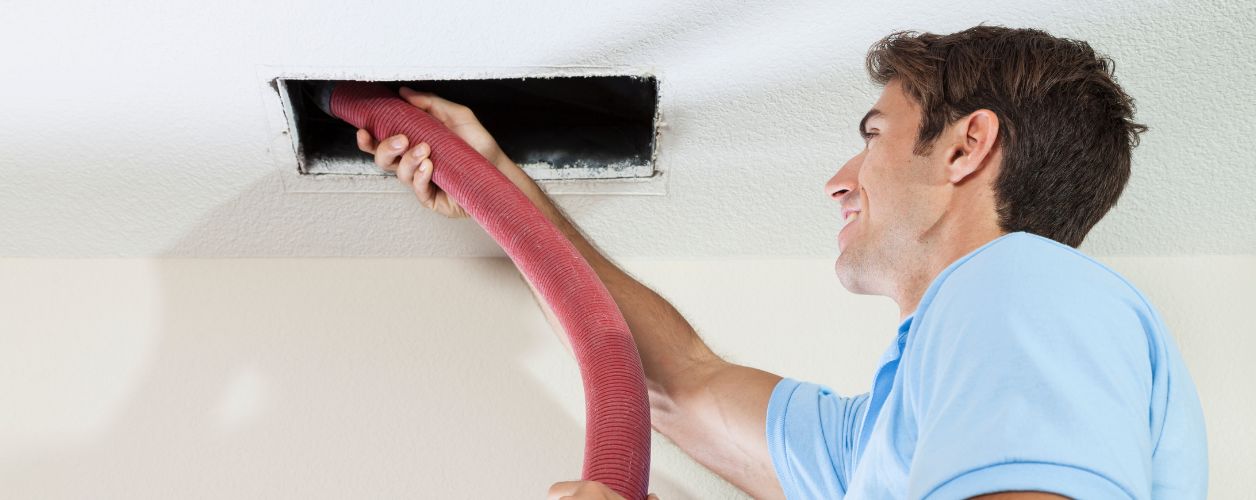
A HEPA-filtered vacuum will suck up loose mould spores, dust, and debris from readily accessible areas of the ducts.
Step 5 - Eco-Friendly Cleaning
Spray areas with natural mould removers: white vinegar, 3% hydrogen peroxide, or baking soda. They work well and are good for home air ducts in New Zealand.
Step 6- Scrub and Wipe
A soft brush or cloth can be used to remove visible mould, and then wiped with a clean, damp cloth.
Step 7- Complete Drying
Be sure the ducts are dry because anything wet is mould-grown.
Step 8- Replace New Air Filters
Install good new filters to retain healthy airflow and keep mould from returning.
When To Call A Professional Air Duct Cleaner
Under large mould infestation or persistent mould and mould covering large areas, it is time to seek professional help. Air duct cleaner experts have the tools and knowledge, together with antimicrobial treatments, to carry out complete mould removal and keep the mould from growing back.
- Hidden Mould Inside Ductwork: The mould found inside ducts can be very difficult to detect and access with home tools. Professionals use inspection cameras, HEPA vacuums, and negative air machines to detect and remove mould hidden away without causing any damage to the ductwork system.
- When Symptoms Are Getting Worse: Whenever it must have happened that asthma, allergies, or respiratory problems of any person in the house worsen or grow worse, one has to get themselves cleaned professionally from mould. A long exposure to airborne mould spores can have grave consequences on health, especially to children, the elderly, or people who have a weakened immune system.
- Water Implications or Leaks: Mould control may be recommended to resolve water problems caused by leaks, flooding, or defects in the HVAC, and how it relates to water intrusion.
- Compliance with a Safety Standard: In work areas or rental properties in New Zealand, health and safety laws may apply to mould removal, so professional measures are the safest and proper way.
Professional Mould Removal Process
Inspection and Testing
This stage begins with a rigorous inspection of the duct system, using special cameras to detect visible mould or hidden growth. An air quality test may be conducted to discover spore concentrations and verify the level of contamination. This step is necessary to ensure a specific cleaning plan.
Specialised Equipment
Professionals use the best tools to vacuum spores out of the duct. Any spores that land in a HEPA-filter vacuum are virtually immune to being released again. Negative air machines trigger an Airflow Inside Controlled Environments to restrict the dispersal of spores beyond the contamination point. Rotary brushes or air whips may be deployed to remove stubborn mould deposits in the ducts.
Antimicrobial Treatments
Once removed physically, the technicians apply safe, approved antimicrobial agents to do away with spores remaining in the ducts and keep them from redeveloping. To match the conditions of health and safety standards in the area, New Zealand selections regarding treatment ensure that the treatments are non-toxic to the workers and the environment.
Final Inspection & Prevention Advice
Once cleaning of the ductwork is complete, a final inspection ensures the complete absence of mould. Often, the technicians give advice about humidity controls, filter replacement, and future maintenance of the HVAC system to ensure a lower chance of developing mould.
Preventing Future Mould Growth
- Inspections and maintenance should be done at a minimum of once per year in order to clean the ducts and catch the moisture problems at an early stage.
- Placing Dehumidifiers – Run dehumidifiers in wet areas or during humid seasons to keep the indoor relative humidity below 60% and thereby inhibit mould growth.
- Air Filter Cleaning or Replacement – Clean or replace air conditioning filters to ensure good airflow and reduce dust and spore content. Clean reusable filters every month, and replace disposable ones every one to three months.
- Fix Leaks Immediately – In order to avoid moisture buildup in the ducts, roof leaks, plumbing leaks, or HVAC leaks should be fixed on a priority basis.
Legal & Safety Regulations In New Zealand
Landlords of rental properties must ensure rents are free from mould by the Healthy Homes Standards, meaning they must provide proper ventilation while keeping moisture problems away.
Tenants, on their part, have to keep the property clean and report mould issues as soon as possible. To keep occupants safe, the implementation of professional cleaning standards would prevent legal fights and possible fines for the involved parties.
In a workplace, the Environment and Safety Act 2015 empowers an employer to provide safety in the area, including the management of indoor air quality and mould risks. If it includes large-scale mould or building defects, the work could legally require remediation by professionals.
Conclusion
Mould gets into air ducts; removal methods require safety precautions, thorough cleaning when needed, or sometimes professional help is considered. Prevention of regrowth uses environmentally safe solutions, keeps relative humidity below 60%, and changes air filters whenever necessary. Moulds shall be kept away from the ducts if leaks are properly repaired, HVAC is inspected yearly, and decent ventilation is ensured. Such regular maintenance thereby maintains air quality inside, giving a healthy environment throughout the year.
YOU MIGHT ALSO BE INTERESTED IN
Capital Cities
- Duct Cleaning Services in Whangarei
- Duct Cleaning Services in Auckland Central
- Duct Cleaning Services in Hamilton
- Duct Cleaning Services in Whakatane
- Duct Cleaning Services in Gisborne
- Duct Cleaning Services in Napier Terrace
- Duct Cleaning Services in Stratford
- Duct Cleaning Services in Palmerston North
- Duct Cleaning Services in Wellington Central
- Duct Cleaning Services in Richmond
- Duct Cleaning Services in Nelson East
- Duct Cleaning Services in Blenheim Central
- Duct Cleaning Services in Greymouth
- Duct Cleaning Services in Christchurch
- Duct Cleaning Services in Dunedin Central
- Duct Cleaning Services in Invercargill
- Duct Cleaning Services in Waitangi