
How Do I Know if My Air Ducts Need to Be Cleaned
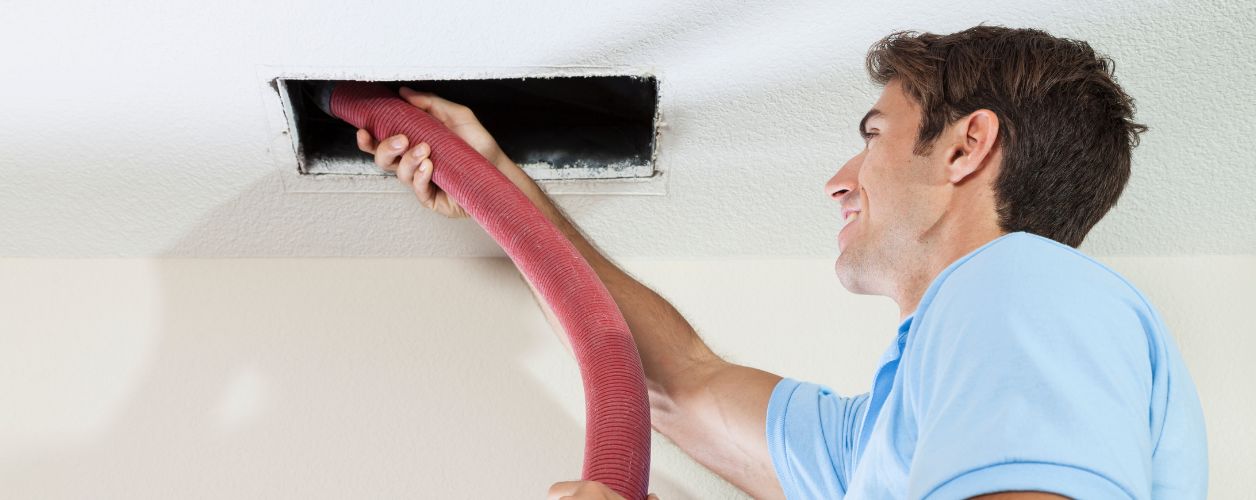
Table Of Contents
- Introduction
- Signs your air ducts need cleaning
- When to inspect air ducts
- Causes of dirty air ducts
- Risk of neglecting dirty air ducts
- Professional Vs. DIY inspection
- How often should air ducts be cleaned?
- Duct maintenance tips
- Conclusion
How Do I Know If My Air Ducts Need To Be Cleaned?
Air ducts carry warmed or cooled air around your house, and thus naturally intervene in the indoor comfort scenario. Over time, dust of all sorts, pollen, pet dander, and other debris settle inside these ducts, causing a reduction in air quality and flow efficiency. For cleaner ducts in New Zealand, it means cleaner, fresher air to breathe-almost a necessity for allergy or respiratory sufferers. Cleaning limits energy consumption and also increases its lifespan. Clean ducts enhance a healthier living atmosphere and maintain pleasant comfort levels throughout the home for the occupants.
You may ask yourself, “How Do I Know If My Air Ducts Need To Be Cleaned?”. Find here answers to all your questions that help you maintain a clean ducted home.
Signs Your Air Ducts Need Cleaning
Dust or Debris Being Released from Vents
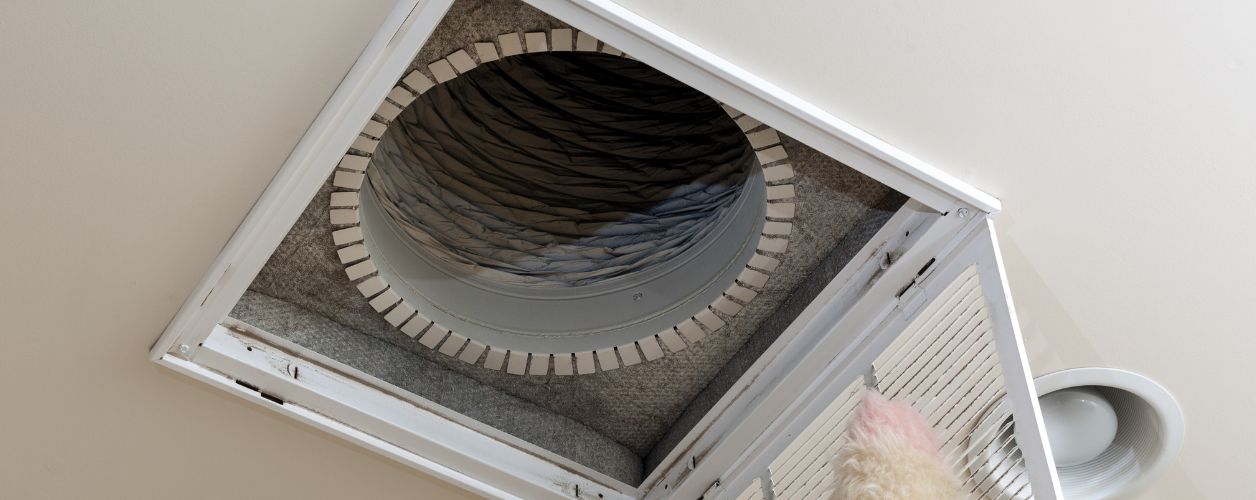
If you see dust puffs or debris released from the vents when your HVAC system runs, this is an indication that the ducts may be clogged.
Musty or Unpleasant Odours
Bad or musty smells while your heating or cooling system runs can be indications of the growth of mould, dust build-up, or other contaminants inside the duct system.
Uneven Airflow or Poor HVAC System Performance
Weak airflow in certain rooms or uneven temperatures throughout may be from not only dust and debris blocking the ducts.
Allergy or Respiratory Symptoms Increased
If occupants are sneezing, coughing, or experiencing allergy flare-ups when indoors, it could be the result of dirty air ducts circulating allergens, dust, or pollutants.
Mould Found Inside or Outside the Ductworks
If vent covers or inside the duct system have visible mould, this can be a serious health hazard and should be cleaned and remediated.
Insect or rodent populations found
Pest detections would include signs of droppings, nesting material, or other unusual noises in the ductwork. Contaminants exist and can be removed safely with the help of a professional.
Regular inspections and cleaning will not only improve indoor air quality, but they will also improve the efficiency of the HVAC system - creating a healthier and more comfortable home.
When To Inspect Air Ducts
Annual Inspection:
Your air ducts should be inspected at least once a year in NZ for optimal performance and air quality.
Post-Construction or Renovation:
Ducts should be inspected after any construction or remodelling work to have dust and debris removed.
Seasonal Change:
Prior to heating or cooling peak seasons (winter and summer, respectively) is when the ducts should be inspected to make sure the HVAC system is ready.
After Pest Problems:
Inspect ducts if there`s proof of rodents or insects.
Unusual Symptoms:
Schedule inspections if you notice any stabbing, musty odour, irregular airflow, or increasing allergic reactions.
Heavy Usage:
If the HVAC finishes running for long hours daily, inspections can be made even more frequently.
Causes Of Dirty Air Ducts
Miscellaneous Construction Dust
The construction and remodelling of a house, or even bringing up a small-scale repair, releases fine dust, drywall particles, and other wastes. Free entry for such particles into the air ducts will ensure their settling, thus reducing the indoor air quality.
Animal Hair and Dander
The presence of animal homes generally causes more rapid duct contamination. Hair shed by the animals and tiny skin flakes or dander float through the HVAC system and stick onto the walls of the ducts while mixing with other dust particles.
High Humidity Facilitates Mould Growth
The greater the amount of moisture in air ducts, the better the breeding ground would be for moulds and mildew. This normally happens in places where humidity is high, and they have poor ventilation, or they have poorly maintained HVAC systems in poor condition. Now mould spores are spread through the air and present hazards to health.
Poor Air Filtration System
This system of an air filter of low quality works badly, or its filter is clogged, so that dust, pollen, and any other pollutants cannot be trapped within. The latter-mentioned pollutants bypass the filtration system and settle inside the ducts to increase congestion along with bad air induction.
Hence, regular maintenance, quality filters, and moisture control are ways to prevent duct contamination so as to give way for cleaner indoor air.
Risk Of Neglecting Dirty Air Ducts
Bad Air Quality:
Dust-sharing substances gather over the intended house or mould spores, while pollen creates stale or unpalatable atmospheres.
Increased Energy Costs:
An HVAC system comes into being that must keep up with heavy work on clogged ducts, working more with increasingly more energy, thus raising your utility bill.
Health Risks:
Allergic reactions are triggered by dusty ducts, along with aggravating asthma and other respiratory problems. This is also where bacteria or mould find a way to come inside your house.
Risk to TRS for Damage:
Excessive dirt load might stress the components, leading to expensive repairs or premature system failures.
Unpleasant Odour:
An area where dust, moulds, or pests gather can induce that difficult odour to remove indoors.
Professional Vs. DIY Inspection
Advanced Tools
Professionals employ specialised tools, such as cameras for high-resolution inspections deep into the ducts; air quality meters to identify the presence of pollutants; and moisture meters for hidden mould threats, among others. These would not necessarily be available to a DIYer.
Thorough Assessment
The trained technicians can examine more subtle signs of damage, leakage, pest infestation, or blockages that might have been missed in a DIY inspection.
Safety Considerations
They take safety precautions during inspections or cleaning so that the release of dust, allergens, or mould spores is avoided.
Air-Quality Testing for Real
Well-calibrated measuring instruments plumb particulate matter, mould spores, or any other contaminants that professionals are after with hardly a margin of error.
Access to Industrial Cleaning Equipment
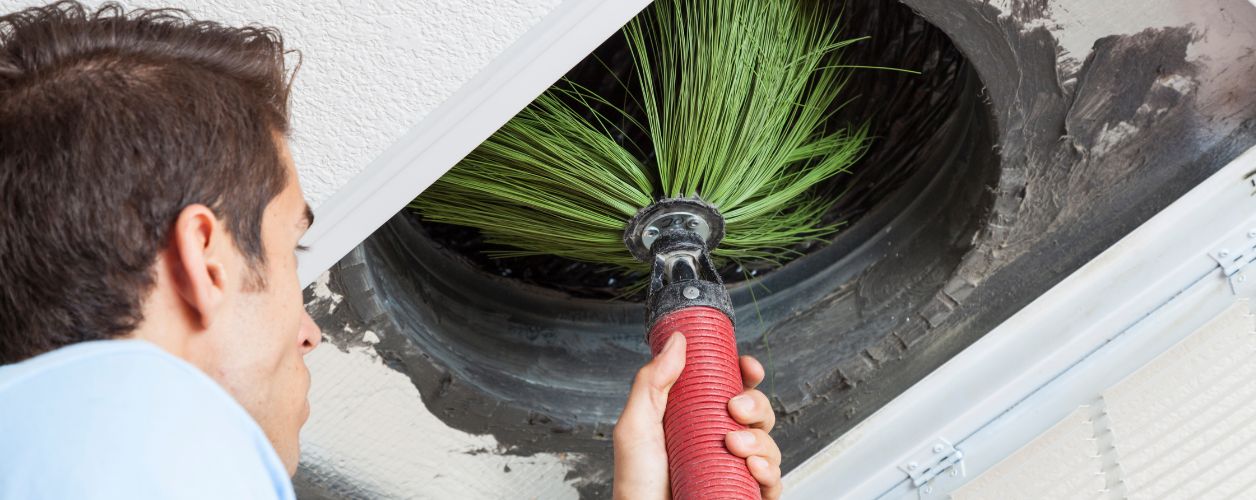
Once the inspection has been conducted, the professional suite cleans loads of debris with a vacuum cleaner powered by industrial levels and HEPA filtering amounts of air, far above what a home cleaning vacuum cleaner can muster.
A heck of a lot of time and effort
Professional inspections will be performed faster and efficiently than a DIY job, giving homeowners all the benefits of trying.
Compliance and Documentation
Most professionals provide a detailed report, which may conform to industry standards and be useful for warrant or insurance claims.
A professional inspection gives you a deeper view, is safer, and offers longevity as compared to most DIY methods.
How Often Should Air Ducts Be Cleaned?
General Guidelines
Air ducts in New Zealand homes typically need professional duct cleaning every three to five years to ensure air quality and efficiency of the system.
A home that has been newly built or renovated may need a cleaning shortly after construction to remove any remaining dust and mess.
An inspection every year will determine whether a full cleaning is required sooner, or it may detect other issues that could be affecting performance.
Factors That Require More Frequent Cleaning
Residential pets: In homes with cats, dogs (and other furry friends), inspections indicate that these homes will require cleaning every 1-2 years, and it is reasonable to assume this would be the minimum requirement since the home has to accumulate hair and dander.
Having allergies or respiratory concerns: If you have members of the household suffering from asthma or allergy, it also entails a more frequent cleaning(1-2 years). This can reduce some airborne irritants such as dust mites, pollen, harboured spores (mould or other) and what effects they have when released into the air.
Location/geographical environment: Coastal homes typically have a more salty and moist environment, which supports more mould growth, while rural properties may have more dust and pollen.
Tobacco and smoking: Residues and contaminants from tobacco smoke settle into the ducts and continue to have impacts on air quality and natural cleanliness. Any home that has active smokers requires regular cleaning.
Visual contamination: If there is visible dust, mould or insect activity in the vent, the ducts should be cleaned now, regardless of when they were last serviced.
In all circumstances, undertaking annual maintenance will result in cleaner air and better performance of the HVAC System for healthier living.
Duct Maintenance Tips
Signs to look for:
Dust appearing at vents; musty odours; inconsistent airflow; increased allergy response; and signs of mould, insects, or rodents in ducting.
Duct Intake Inspection:
Every 3-5 years, get an inspection, preferably during maintenance of the heating or cooling system, but sooner if things seem odd.
Filter Improvement:
Include high-quality filters and replace them every 3-6 months.
Keep moisture in check:
Get plumbing leaks fixed immediately, meanwhile, keep indoor relative humidity at 30-50% to avoid mould growth.
Cleaning of Vents:
Routinely vacuum vents and do not place furniture or rugs that block airflow.
Reduced dust-bunnies:
Outside of normal cleaning, with good ventilation, indoor sources of household dust will be diminished.
Conclusion
Keeping your air ducts clean is essential for maintaining healthy indoor air, improving HVAC efficiency, and ensuring long-term comfort in your New Zealand home. Dirty ducts can lead to poor air quality, higher energy costs, and even health risks, making regular inspections and timely cleanings a smart investment. Whether it’s dust, mould, or pet dander, addressing issues early prevents bigger problems down the road. While DIY methods can help with surface cleaning, professional inspections and cleaning provide deeper, safer, and more effective results. With consistent maintenance, you’ll enjoy fresher air, lower bills, and a healthier home environment.
YOU MIGHT ALSO BE INTERESTED IN
Capital Cities
- Duct Cleaning Services in Whangarei
- Duct Cleaning Services in Auckland Central
- Duct Cleaning Services in Hamilton
- Duct Cleaning Services in Whakatane
- Duct Cleaning Services in Gisborne
- Duct Cleaning Services in Napier Terrace
- Duct Cleaning Services in Stratford
- Duct Cleaning Services in Palmerston North
- Duct Cleaning Services in Wellington Central
- Duct Cleaning Services in Richmond
- Duct Cleaning Services in Nelson East
- Duct Cleaning Services in Blenheim Central
- Duct Cleaning Services in Greymouth
- Duct Cleaning Services in Christchurch
- Duct Cleaning Services in Dunedin Central
- Duct Cleaning Services in Invercargill
- Duct Cleaning Services in Waitangi