
How to Tell if a Tree is Dead
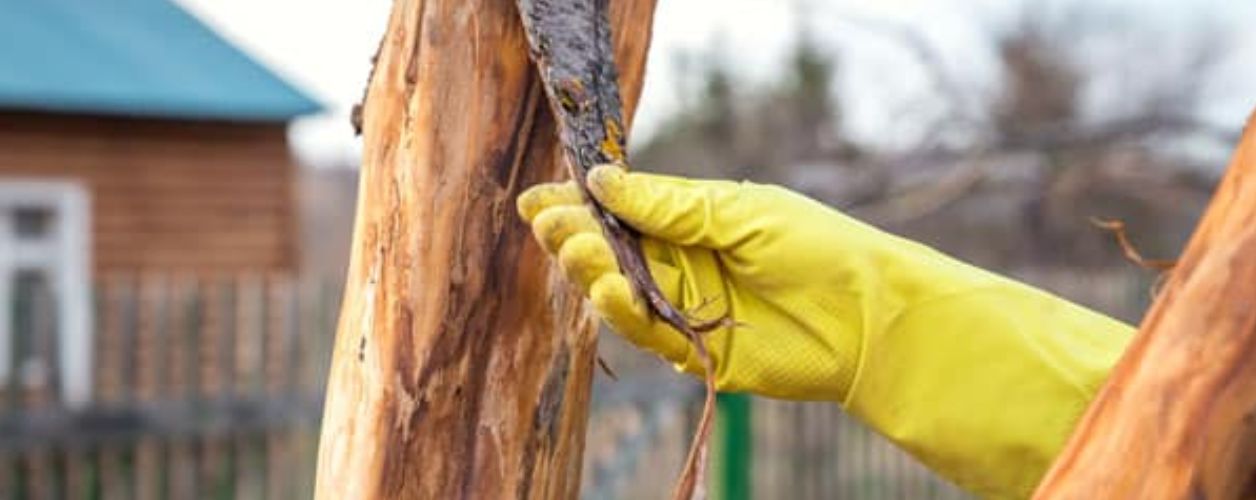
Table Of Contents
- Introduction
- Why Is It Important to Identify a Dead Tree?
- Common Causes of Tree Death in New Zealand
- Signs to Look for: How to Tell if a Tree Is Dead
- When to Call an Arborist: The Role of an Arborist Report
- Conclusion
How to Tell if a Tree is Dead?
Trees make the landscape of New Zealand beautiful, provide shade, and bring other environmental advantages to our homes and the communities where we live. You are based in urban sprawl, or out in the green country of Wellington or Canterbury: healthy trees are an essential requirement. Nonetheless, trees, like any living thing, may occasionally die, and it is important to know when a tree has died early enough to help in safety and property protection.
In this blog, we’ll explore how to tell if a tree is dead, what signs to look for, and why professional involvement, such as an arborist report, is often necessary. We’ll also discuss the importance of proper tree care and the steps involved in dead tree removal in New Zealand’s unique environment.
Why Is It Important to Identify a Dead Tree?
Before getting into the symptoms of a dead tree, it would help to appreciate why it is important to spot a dying or dead tree:
- Harm to safety: It is a risk because dead trees/branches fall unexpectedly, leading to damage to properties, cars or even people.
- Pest and disease management: The dead trees are also subject to pests such as termites or beetles, which may become disruptive to healthy trees or buildings.
- Keeping landscapes healthy: This is because by cutting away dead trees early, room is created where new and healthy plants can grow, and the spread of diseases is inhibited.
- Legal aspects: In certain instances, there may be laws imposed locally by the council that may demand a permit or have rules regarding the removal of a tree to prevent harm to the native species or an ecosystem.
Thus, recognising a dead tree early is the first step in effective tree care and landscape management.
Common Causes of Tree Death in New Zealand
Learning about the reasons trees die may guide homeowners in identifying the clues that a tree is dying. Causes of death of trees in New Zealand may be:
- Environmental stress: Drought, waterlogging or sudden variation of weather.
- Pests and diseases: Kauri dieback disease, possum damage and fungal infections.
- Physical damage: Damage to the plant by storms, car accidents, or construction activity around roots.
- Age: As with any living organism, there is a natural life cycle, and some trees may just be undergoing the end of their cycle.
By familiarising yourself with these causes, you will be in a position to determine when a tree has to be assessed or handled to save it.
Signs to Look for: How to Tell if a Tree Is Dead
The following are some of the surest signs that a tree is either dead or dying. Such symptoms tend to resemble some of the symptoms of harsh stress or illness; hence, a careful evaluation of the tree over time should be performed.
1. No Leaves or Sparse Foliage in Growing Season
Deciduous trees lose their leaves during winter in New Zealand, although they usually thrive during the spring and summer months. When your tree is always without leaves or barely any foliage throughout the growing season, that is a good indicator of what the problem is.
- Trees losing leaves or needles (suddenly) may also be dead or dying, such as those of evergreen trees.
- Drying, yellow, curled and brittle leaves may show dehydration or illness.
2. Brittle or Dead Branches
The easiest way is an old specialty: snap a small branch or a twig:
- Bending it, breaking easily, or appearing dry or brittle may show that the branch is dead.
- On the other hand, fresh green (flexible) twigs imply living ones.
Make sure you test some of the branches at various locations of the tree before concluding that the entire tree is dead.
3. Bark Damage and Peeling
The protective layer of a tree is called bark. Look for:
- Huge pieces of bark are peeling or absent.
- Large cracks or fungus-mutilated gashes reveal the inner soft wood.
- Presence of fungal growth in the form of mushrooms on the base or trunk.
Bark damage predisposes the tree to attacks of pests and infection, causing the tree to die faster.
4. Fungal Growth and Decay
- Mushrooms that grow on a tree or around it usually mean harm to the interior or the root structure.
- Examine the trunk or roots to determine the presence of mushrooms or bracket fungi, or a fungal body.
- These normally imply that the tree has lost its internal integrity, hence, presenting a danger.
5. Parasitism or Uprooting
A tree that has leaves or is producing fruit might be dying or dead when the bottom of the tree is leaning at an abnormal angle, the roots are uncovered and rotting.
Root rot may begin beneath the ground and is reflected above the ground in the form of dieback or instability.
6. Lack of New Growth
In spring and summer, the healthy trees reveal new buds, shoots and the presence of leaves.
An inability to grow new shoots in several months is a warning indicator.
7. Existence of Pests
New Zealand hosts possums, which are infamous due to the destruction of trees through leaf eating and stripping the bark.
Pest damage may kill a tree over a long period under the condition of enough density.
Search for chewed or infested leaves or bark holes, or insect infestation.
When to Call an Arborist: The Role of an Arborist Report
Although a few of the signs associated with a dead tree are apparent, others are almost imperceptible and demand professional assessment. This is the point when the services of a professional arborist are needed.
What Is an Arborist Report?
An arborist report is a detailed document prepared by a certified tree specialist who assesses the health and safety of your trees. It generally entails:
- An examination of the tree to confirm if it is dead or alive.
- Detection of the presence of any diseases, pests or structural issues.
- Treatment recommendations, pruning and removal.
- A risk assessment, particularly necessary where the tree is a potential danger to lives or property.
Why Is an Arborist Report Important?
- Legal and insurance compliance: Some councils or insurance companies require an arborist report before approving tree removal.
- Security guarantee: A report by the professional would give one some assurance as to whether the tree is a dead tree or resuscitable.
- Proper planning: The report helps you decide on the best tree care or dead tree removal approach.
- Saving native species: Native trees in New Zealand are more ecologically important, and keeping them intact is a matter of concern; this is preserved responsibly by the arborist.
Conclusion
Determining the death of a tree is one that must be watched with keen detail since numerous symptoms, such as loss of leaves, crusty branches, breakages within the bark, fungal infections, among many others, are observed. Homeowners in New Zealand have to take particular care because of the unique climate and native species. Engaging a professional arborist for a thorough arborist report ensures accurate diagnosis and safe decisions.
Good tree care practices can prolong the life of your trees and enhance your property’s beauty and safety. However, when a tree is confirmed dead, timely and professional dead tree removal protects your home and community. Remaining informed and active makes it possible to have a healthy and safe, vibrant outdoor environment throughout the year.
YOU MIGHT ALSO BE INTERESTED IN
Capital Cities
- Arborists Services in Whangarei
- Arborists Services in Auckland Central
- Arborists Services in Hamilton
- Arborists Services in Whakatane
- Arborists Services in Gisborne
- Arborists Services in Napier Terrace
- Arborists Services in Stratford
- Arborists Services in Palmerston North
- Arborists Services in Wellington Central
- Arborists Services in Richmond
- Arborists Services in Nelson East
- Arborists Services in Blenheim Central
- Arborists Services in Greymouth
- Arborists Services in Christchurch
- Arborists Services in Dunedin Central
- Arborists Services in Invercargill
- Arborists Services in Waitangi