
How to Prune a Tree Properly?
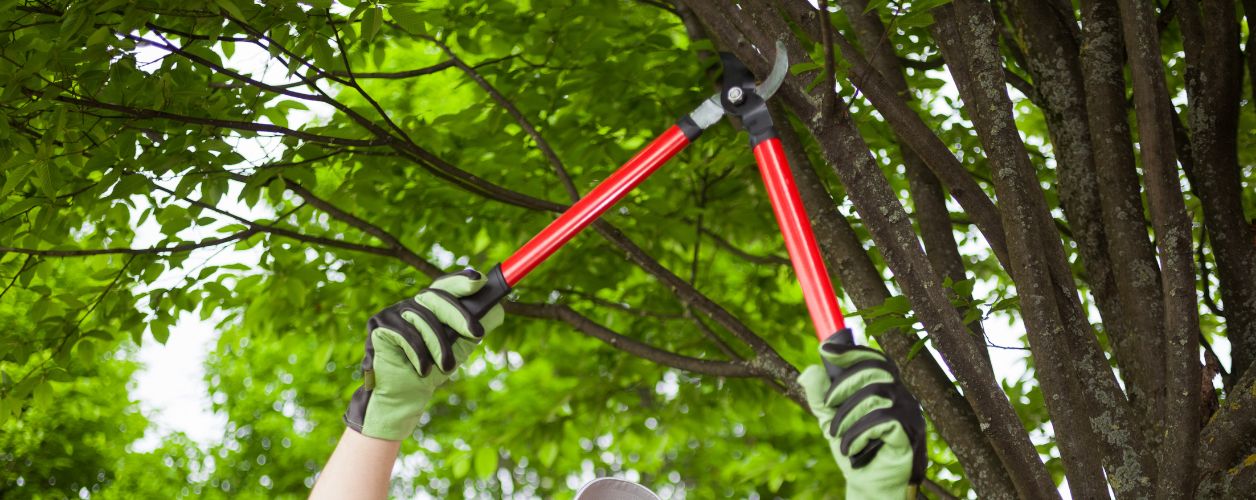
Table Of Contents
- Introduction
- Why Tree Pruning Matters for Tree Health
- Understanding Tree Structure Before Pruning
- Choosing the Right Tools for Tree Pruning
- Step-by-Step: How to Prune a Tree Properly
- Seasonal Tree Pruning Advice for New Zealand
- Pruning Guidelines of New Zealand Species of Trees
- The Best Time for Tree Pruning in New Zealand
- Common Tree Pruning Mistakes
- When to Call a Professional For Tree Pruning
- Eco-Friendly Disposal of Pruned Material
- Conclusion
Pruning is one of the most important parts of tree care. It maintains the trees to be healthy, beautiful and secure. By learning the right tree pruning techniques, you can improve growth, prevent disease, and enhance the appearance of your trees. Regardless of whether you have native plants, fruit trees or ornamental trees, understanding how to prune them correctly will produce a noticeable difference.
Why Tree Pruning Matters for Tree Health
Healthy Development
Tree pruning allows the tree to direct energy to the healthiest branches. Deleting weak adverse growth would result in more nutrients and sunlight to other branches.
Disease Prevention
Problems can easily be transferred to the rest of the tree through its dead or dying branches. Removing them early is an essential part of good tree care.
Better Light and Air Circulation
Clearance of the canopy allows penetration of more sunlight to the lower branches, and also enhances the interaction of air, which minimises chances of fungal infections.
Increase Safety and Aesthetics
Healthy trees are less likely to shed their branches in the event of inclement weather, and they simply make your landscape look more beautiful.
Understanding Tree Structure Before Pruning
The Branch collar Role
The swollen part where a branch sits against the trunk or another branch is called the branch collar. Pruning slightly beyond this divide assists the tree in recovering fast.
The Importance of the Apical Bud
The apical liveliness of the bud is at the end of any branch and determines the direction of growth of that branch. Its removal promotes the growth of side shoots, which may change the shape of the tree.
Working With Natural Growth Habits
Every species is characterised by its growth pattern. Upright species act in their nature to form a central leader, whereas the spreading type species take the task of developing broad canopies. Pruning ought to work with these habits.
Choosing the Right Tools for Tree Pruning
Tools for Small to Medium Branches
Hand pruners are ideal for things like the thin branches, and the loppers are ideal when the branches are medium-sized and are too thick to use the hand pruners.
Tools for Larger Branches
Bigger branches require a pruning saw, and higher branches more out of reach require the help of pole pruners.
Keeping Tools Clean and Safe
All the tools must be sharpened and sterilised before using them to prevent disease spread. It is also worth wearing eye protection, gloves and sturdy shoes.
Step-by-Step: How to Prune a Tree Properly
Evaluation of the Tree
Take a round the tree and see its form. Find dead, diseased and crossing branches.
Cutting Problem Branches
First of all, cut away all branches that are unhealthy. Cut smoothly a little beyond the branch collar to promote healing.
Controlling Stem Growth
There ought to be just a single main straight stem in most trees. Eliminating rival stems and branches helps the tree to gain power.
Canopy Thinning
Prune some branches to permit air and sunlight to enter. This decreases the weight of the canopy as well.
Trimming the Tree
You must work according to the nature of the tree. Do not cut a strong-bodied central leader of an upright tree, but you must have equal lateral growth in a spreading tree.
Making Proper Cuts
In cutting down big branches, employ the three-cut technique so as not to rip off the bark. This consists of an undercut, a top cut further out and a last cut outside the branch collar.
Seasonal Tree Pruning Advice for New Zealand
Winter Pruning
This is excellent in winter to do the carving on trees, and spur them to grow in the springtime. Apples and pears are some examples of the fruit trees that can be treated at the time of the year when pruning is effective to enhance yields.
Spring Pruning
Spring pruning consists of light pruning that is intended to remove damaged winter storm branches.
Summer Pruning
The summer is when you should control fast growth, clear out water shoots and maintain the tree in control.
Autumn Pruning
Pruning is supposed to be minimal in the fall. To prepare the tree to face the winter, cut away only the rain-damaged branches or the dead ones.
Pruning Guidelines of New Zealand Species of Trees
- Native Trees – Light pruning is unproblematic on species such as pohutukawa and mauka, and may cause severe damage in case of heavy cutting.
- Fruit Trees – Pruning of apples, pears, and stone fruit needs to be done to ensure regular fruit production and healthy fruit production.
- Tree in Windy Places – Strengthening the main structure through pruning helps trees to stand up to hard winds.
- Coastal Trees – Coastal trees might need to be pruned of salt-damaged branches.
The Best Time for Tree Pruning in New Zealand
Late Winter to Early Spring
The majority of the deciduous trees have dormant cycles between July and September. This is the best period to do structural pruning since, without any leaves then one can see the shape better.
After Flowering
Species like kōwhai or magnolias, pruning immediately after flowering will make sure you do not prune next year's buds.
Late Summer Pruning
Pruning can retard the growth of a tree growing too fast, especially at the end of summer.
Why Autumn is Not Ideal
The severe pruning performed in the fall usually leads to new growth that will be susceptible to frosts in winter.
Common Tree Pruning Mistakes
- Topping the Tree: Topping causes poor regrowth of the structure.
- Cutting in the Wrong Place: Some cuts are close to the trunk, and this damages it, and also, at some points, cutting too far into the tree results in stubs that rot.
- Over-Pruning: Pruning more than the tree can take in a single season strains the tree and also limits the production of energy in the tree.
- Using Blunt Tools: Blunt instruments leave rough edges, which take a long time to heal and may cause disease.
When to Call a Professional For Tree Pruning
- Safety Concerns – Depending on whether the tree is close to buildings or power lines, it is advisable to hire the services of an arborist.
- Height and Accessibility Concerns – High and large branches need specialised equipment as well as experience.
- Uncertain Tree Health – Arborists can determine whether a tree is sick or has faulty structure and advise an appropriate pruning technique.
Eco-Friendly Disposal of Pruned Material
Mulching/Composting
The branches can be chipped and used as mulch, and other small materials can be used in compost to enhance soil wellbeing.
Green Waste Collection
The green waste collection service is available for tree pruning debris in most New Zealand councils.
Using Branches for Firewood
Branches can be kept and used as firewood through large, dry, disease-free branches.
Conclusion
Tree pruning is an essential skill for any New Zealand homeowner who values healthy and attractive trees. Knowing the structure of your tree, pruning at the appropriate season of the year, and the necessary methods to be used, you can have the fruits of healthy, safe, and beautiful trees in the years to come. If the task is too technical or dangerous, contacting a professional arborist will mean that your trees will get the best treatment.
YOU MIGHT ALSO BE INTERESTED IN
Capital Cities
- Arborists Services in Whangarei
- Arborists Services in Auckland Central
- Arborists Services in Hamilton
- Arborists Services in Whakatane
- Arborists Services in Gisborne
- Arborists Services in Napier Terrace
- Arborists Services in Stratford
- Arborists Services in Palmerston North
- Arborists Services in Wellington Central
- Arborists Services in Richmond
- Arborists Services in Nelson East
- Arborists Services in Blenheim Central
- Arborists Services in Greymouth
- Arborists Services in Christchurch
- Arborists Services in Dunedin Central
- Arborists Services in Invercargill
- Arborists Services in Waitangi