
How Much Does an Arborist Cost
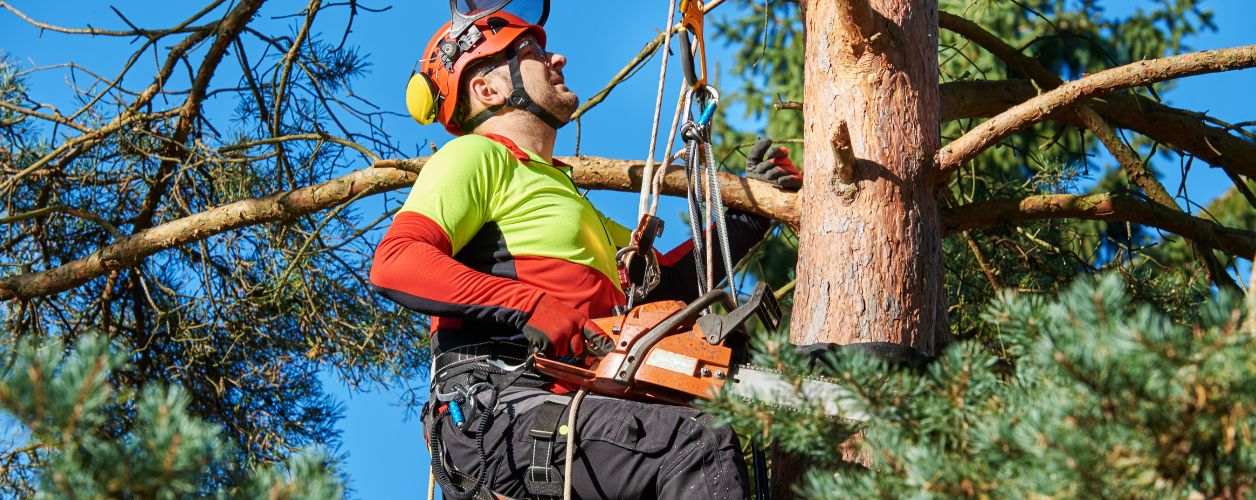
The cost of an arborist in New Zealand typically ranges from $90 to $150 per hour, although it can be higher depending on the job and location. Some companies may charge by the hour for each person, while others charge for the team as a whole.
Table Of Content
- Introduction
- Average Arborist's Cost In New Zealand
- Tree Removal Cost Breakdown
- Factors That Affect The Arborist's Costs
- Stump Grinding and Additional Services
- Council Regulation and Consent
- Tips To Reduce Tree Removal Cost
- Choosing The Right Arborist
- Important Arborist Answers You Must Know
- Final Words
How Much Does an Arborist Cost? Tree Removal Cost Guide 2025
Having trouble keeping up with a problematic tree? Perhaps it requires the magic touch of a professional in tree removal and surgery. It will be required to hire a certified New Zealand arborist to preserve and improve your trees. They are trained to deliver effective, safe tree care that defends individuals and assets in urban areas.
Arborist costs include charges for service, insurance, permits from the local council, and environmental legislation. Understanding precisely how much you'll be charged upfront enables you to make informed decisions and avoid hidden expenses. Reliability of professional arborists ensures your environmental investments are safe and encourages environmental values in an era when they are more relevant than ever before.
Average Arborist's Cost In New Zealand
These days, the average cost of an arborist is between $90 and $150 per hour. For a New Zealand arborist, the price depends on task complexity, the equipment used, and the level of experience. Typically, this covers services such as stump grinding, tree removal, pruning, and health assessment.
Some companies charge day rates, which can be from $600 to $1,200, depending on the project's size and if contractors are to handle a single tree or multiple trees. In a normal setting, call-out fees, generally between $50 and $150, are charged if the work is requested outside regular working hours or for emergency services. The call-out fees are waived or incorporated into the final amount if the job is confirmed.
| Service | Average Cost (NZD) | Details |
|---|---|---|
| Tree Inspection | $80 – $150 | Basic visual health check of the tree; no report included. |
| Arborist Report | $250 – $600 | Formal report for council permits, development plans, or risk assessment. |
| Tree Pruning (Small Tree) | $150 – $350 | Light pruning to shape or remove small branches. |
| Tree Pruning (Medium Tree) | $350 – $700 | Includes equipment setup, cleanup, and safety trimming. |
| Tree Pruning (Large Tree) | $700 – $1,500+ | More complex work often requires climbing or a cherry picker. |
| Tree Removal (Small Tree) | $300 – $600 | Includes cutting down and removing debris. |
| Tree Removal (Medium Tree) | $600 – $1,200 | May require rigging and a specialised crew. |
| Tree Removal (Large Tree) | $1,200 – $3,000+ | Involves cranes or bucket trucks; higher cost for limited access. |
| Stump Grinding | $150 – $400 per stump | Based on stump size and depth required. |
| Hedge Trimming | $100 – $400 | Depends on length, height, and shape requirements. |
| Emergency Tree Work | $300 – $2,500+ | Storm damage, hazardous trees – higher due to urgency and risk. |
| Powerline Clearance Work | $500 – $2,000+ | Requires certification and safety measures; includes liaison with utilities. |
| Tree Planting | $100 – $300 per tree | Includes transport, planting, and initial care. |
| Site Clearance (Multiple Trees) | $2,000 – $10,000+ | Full lot clearing for development or landscaping purposes. |
Urban and rural areas frequently have different tree trimming service costs. Because of increased demand, higher business overheads, and traffic logistics, arborist rates are typically higher in urban areas like Wellington or Auckland. On the other hand, rural services might be marginally less expensive, but if the location is far away, there might be extra travel fees. Cost may also be impacted by the availability of qualified arborists in rural areas.
All things considered, property owners should ask for detailed quotes and confirm that arborists are properly insured and certified by New Zealand's health and safety regulations.
Tree Removal Cost Breakdown
Removal of Small Trees (less than 5m)
Price range: $200–$500
Contains: Little fruit or ornamental trees
Reduced labor and risk; speedy work frequently involves the grinding or disposal of stumps.
Removal of Medium Trees (5m–10m)
Price range: $500–$1,000
Contains: Common backyard trees, such as maple and birch
More work, rope rigging, or equipment might be needed.
Costs may rise due to restricted space access.
Removal of Large Trees (10 m+)
Price range: $1,000–$2,500+
Contains: Old trees with broad canopies
Heavy equipment and experienced climbers are needed.
It may affect adjacent power lines or structures.
Costs may increase if permits are required.
Hazardous or Urgent Tree Removal
Price range: $500–$5,000+
Contains: Diseased, fallen, or storm-damaged trees
The cost of urgent service is frequently higher.
High risk because of location or instability (e.g., near houses or wires)
Crane use or traffic control may be necessary.
Stump Removal
Price range: $75 to $300
In certain areas, permit fees are necessary.
Hauling and cleanup: possibly or possibly not included.
Prices may be higher in urban areas.
Constrained areas result in higher costs
Average Range of Total Costs
Typical range: $200–$2,000+
Jobs that are urgent or complex may go beyond this.
Bundled services or multiple trees could lower the cost per tree.
Employing a certified arborist guarantees both safety and adherence to regional laws. Always ask for thorough quotes and make sure you have insurance.
Factors That Affect The Arborist Costs
Tree Type and Size
Because it takes more work and equipment to remove larger trees, the arborist's cost is higher.
Cost is influenced by the type of tree: hardwoods, such as oak or maple, are more expensive and more difficult to cut than softwoods.
Trees with dense wood or broad canopies may also cost more.
Where to Find and How to Get There
The cost may go up if the tree is in a backyard or other tight area because it may require specialized tools and more work.
Removing trees that are easily accessible from the street is quicker and less expensive.
Because of regulations and the logistics of equipment, urban areas are frequently more expensive than rural ones.
Level of Risk (Closeness to Structures/Power Lines)
The tree lopping price is increased when trees close to fences, power lines, or buildings need to be removed with greater care and precision to prevent damage.
Specialized equipment or cooperation with utility companies may be necessary in high-risk areas.
In high-risk circumstances, insurance and liability issues also raise the cost.
Need for Climbing Equipment or Cranes
Cranes may be required if space restrictions prevent the tree from being felled in one piece, which would greatly raise the cost.
It takes a lot of work and skilled labor to climb and dismantle the tree in sections.
The technique is frequently determined by the tree's height and spread.
Removal of Waste and Grinding of Stump
The cost is increased by clearing branches, logs, and debris.
Usually, stump grinding is billed separately and is not covered by the base removal fee.
The cost of grinding is influenced by the size and depth of the stump, and it may also be increased by the need to dispose of mulch or stump debris.
Together, these elements impact the overall Tree Removal Prices, which can differ significantly from job to job.
Stump Grinding And Additional Services
Stump Removal Pricing:
Stump grinding charges depend on parameters such as the size of the stump, its location, and the root system attached. Small stumps can cost about $60-$100; big stumps or multiple stumps can run from $300-$600 or more. Sometimes the price includes cleanup and woodchip removal upon request.
Hedge Trimming and Pruning:
Hedge trimming on a routine basis maintains neatness while encouraging healthy growth. Pruning improves plant structure, removes dead or diseased limbs, and increases air penetration. The price depends on the size of the hedge and the frequency of service, with an average cost of $100 to $400 per application.
Tree Health Assessment Services:
Tree health assessments consist of surveying for pests and diseases, structural faults, and nutrient deficiencies by professional arborists. These prevent hazards and promote longevity. The cost ranges from $150-$300, depending on the number of trees and the size of the property.
Tree Reports and Council Applications:
Tree reports are often required for development or removal permits and are especially required for protected species. Certified arborists provide detailed documentation of the tree condition, risk assessment, and management recommendations. The applications to the local council are also prepared and submitted as part of the service. A typical fee structure starts around $250 and increases with the complexity of the matter and the council's requirements.
All these services make green spaces safe, compliant, and healthy.
Council Regulation And Consent
Rules implemented by the local council to safeguard city greenery and the natural landscape often extend to covered trees. Pruning, removal, and other alterations to certain trees, especially those on a tree preservation order list or a protected tree register, can be banned or limited by these rules.
One must check if a tree is covered by the local council before proceeding with anything. If you have to do work on a protected tree, you may require resource consent. This process, which could involve application charges, evaluations, and approval conditions, ensures that the proposed work meets local planning policies. The expense of obtaining resource consent can vary from several hundred to thousands of dollars, depending on the complexity and scope of the project.
Trained arborists are best positioned to guide these requirements. They can evaluate the condition of the tree, prepare professional reports and statements to underpin a consent application, and perform work to accepted standards. Arborists can also guarantee compliance with health, safety, and environmental regulations in tree work, minimizing legal problems or penalties. Inviting an arborist on board early is therefore a way of assuring a seamless experience while staying within council regulations.
Tips To Reduce Tree Removal Cost
- Get Quotes in Bulk: Call at least 3–5 tree service providers. Price comparison enables you to pay less and get the best value for your purpose.
- Select Off-Peak Times: Plan tree removal in late fall or winter when demand is less. Discounts are also given by most companies during low-demand months.
- Bundle Services: If stump grinding, trimming, or extra removals are needed, request a bundled service package. It is usually less expensive than contracting for individual jobs.
- Do the Clean-Up Yourself: Choose to do the after-removal clean-up and debris removal yourself. Companies charge extra for haul-away services, and doing this yourself can greatly reduce the overall cost.
- Clear the Area in Advance: Clear away obstructions such as lawn furniture, garden accessories, or cars to reduce the labor time of the crew.
- Get Permits in Advance (if necessary): Contact your local government to find out if a permit is necessary. Have it in hand to prevent delays and possible additional charges by the contractor.
- Inquire About Salvage of Wood: Companies lower the average cost of arborists if they can salvage or sell the wood, particularly if the tree is a valuable hardwood.
Choosing The Right Arborist
Qualifications:
- You should go for any arborist with NZQA (New Zealand Qualification Authority) certifications in arboriculture.
- ISA Certified Arborists are said to uphold international standards in tree care and knowledge.
Insurance and Safety Practices:
- Make sure that your arborist has the public liability insurance that would cover any damages caused to your property or adjacent properties.
- They should observe strict health and safety practices and use Personal Protective Equipment, PPE, with up-to-date knowledge of it.
Reviews and References:
- Online reviews can be checked on Google or other local directories to find out what customers have to say about them.
- Ask for their references or proof of their completed works to ensure credentials and quality.
- A professional arborist will never hesitate or be unable to show you evidence of his or her completed work.
A qualified arborist who is insured and well-reviewed can do the job far more safely, efficiently, and to a very high standard.
Important Arborist Answers You Must Know
Can I take a tree down myself?
Chopping down smaller trees is fairly simple and can be done yourself. If it's a bigger tree or close to buildings, you should hire professionals. I would think that taking down trees is inherently dangerous, if not for the falling branch or tree itself, then for the risk of hitting a powerline, and the risk of the tools that come with tree cutting.
Does home insurance cover tree removal?
Home insurance most likely covers tree removal, sometimes if a tree falls due to a covered accident like a storm, and damages your property. But it won't usually cover all related tree removal prices of a dead or diseased tree that has not caused any damage.
How long does tree removal take?
Tree removal time ranges from a few hours to an entire day, depending on tree size, tree location, and job complexity. Big trees or difficult trees will require more time and equipment to deal with the safest removal method and fully remove the tree.
Final Words
Each arborist has a variety of reasons for pricing their services differently. The average arborist costs for services will vary widely, typically between $150 and $1500. The time needed, size of the tree, as well as the location for services, are factors that contribute to the overall tree trimming service cost, and the cost of an emergency response or large tree removal service may be more than these parameters.
Although DIY may seem to be the best way to save yourself some money, there’s no comparing the benefits of hiring a certified arborist will outweigh the cost, as they will be able to provide care for your tree, safely, properly, and ultimately comparatively reasonable in the long run for your tree’s longevity and health in mind.
While hiring an arborist protects your property, it also protects the beauty and value of your landscape, and calling a professional provides you with peace of mind regarding any potential damage.
Costs of various services and materials in this cost guide should be taken as estimates. These depend on location, preference and demands in the market.
YOU MIGHT ALSO BE INTERESTED IN
Capital Cities
- Arborists Services in Whangarei
- Arborists Services in Auckland Central
- Arborists Services in Hamilton
- Arborists Services in Whakatane
- Arborists Services in Gisborne
- Arborists Services in Napier Terrace
- Arborists Services in Stratford
- Arborists Services in Palmerston North
- Arborists Services in Wellington Central
- Arborists Services in Richmond
- Arborists Services in Nelson East
- Arborists Services in Blenheim Central
- Arborists Services in Greymouth
- Arborists Services in Christchurch
- Arborists Services in Dunedin Central
- Arborists Services in Invercargill
- Arborists Services in Waitangi