
Top Exterior Cladding Materials for NZ Homes
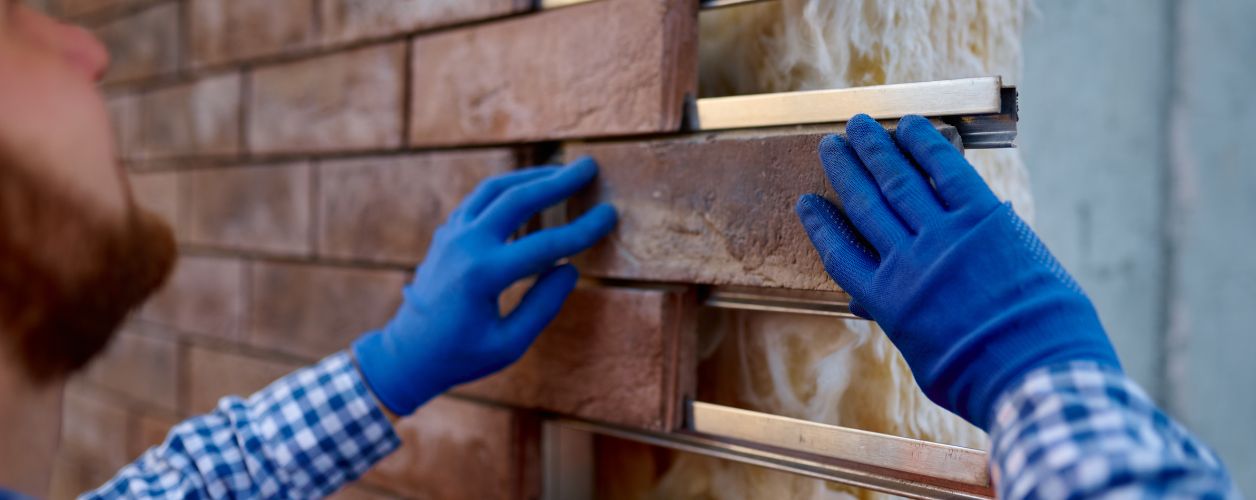
Table Of Content
- Introduction
- Wooden Cladding
- Brick Cladding
- Metal Cladding
Which is the Right Cladding Material: Timber, Brick, Or Metal?
Weather and Building Regulations of New Zealand
Important Factors for Choosing Cladding in New Zealand
- Final Thoughts
Top Exterior Cladding Materials for NZ Homes: Which Should You Choose –
Timber, Brick, or Metal?
When you are building or refurbishing a house here in New Zealand, one
of the most appreciable choices you will encounter is the outward
covering. This option is not just about beautifying your home, it is
also important for protecting it against any harmful elements,
insulating and warranting its long life.
New Zealand has a variety of climates, from coastal humidity to the
cold of the Alps. Hence, it becomes essential to pick a suitable
cladding material. Timber, Brick, and Metal are the top contenders.
Other popular cladding materials beyond wood, brick, and metal include
fibre cement, concrete panels, and vinyl cladding.
Here is a deep look at the advantages, disadvantages, and general
suitability of the three prime cladding materials in New Zealand: Wood,
Brick, and Metal.
Wooden Cladding
Wood offers a timeless, alluring, and natural look that goes with New
Zealand's scenery aesthetically. Some favored types for cladding
include cedar, pine, and larch.
Benefits
- Attractiveness: Gives a natural, long-lasting beauty.
Eco-Friendly: Using locally sourced New Zealand timber, for example,
radiata pine, is a known eco-friendly choice.
Flexible: It is simple to paint, stain, or reapply the coatings.
Insulating capacity: Comparing two metals, timber cladding exterior
offers better thermal insulation.
Downsides
Maintenance: You need to stain or paint it regularly to safeguard it
from the weather, rot, and bugs.
Longevity: It can be unsafe to moisture, particularly in soaked
areas, if it is not treated correctly.
Price: High-quality wood (like cedar) can cost you more than other
choices.
Ideal for: Houses in moderate climates that are not
covered, or when views are major.
Brick Cladding
Brick veneer is popular in NZ because it lasts a long time and is
timeless. It is specially placed as a front over any wooden frame.
Benefits
- Little upkeep: There is no need to paint or seal it.
Weather tough: It tackles wind, rain, and even salty air at the coast
wonderfully.
- Fire safe: It’s significant in enduring fire.
Temperature control: It assists in maintaining the inside temperature
stable by taking in heat.
Downsides
Pricey to put up: It is heavy and requires a great deal of manpower
to install, making the building procedure more costly.
Limited design choices: You do not have different styles to choose
from, and it doesn't work well with every type of building design.
Heaviness: It includes extra weight to the structure of the building.
Perfect for: Places with a lot of wind or salt spray,
like the coasts of Otago or the Wellington hills.
Metal Cladding (e.g. Steel, Aluminium)
It has rapidly become very popular in modern New Zealand construction.
Upsides
Long-Lasting: It doesn’t decay, it’s bug-resistant, and it’s also
fire-resistant.
Easy to care for: It requires very little care and does not get
easily mildewed.
Lightweight: This makes it easier on the structure of the building
and faster to install.
Modern look: It has a clean, modern style with plenty of colour and
texture choices.
Downsides
Thermal Conductivity: This material can heat up quickly in the sun or
cool down fast, so high quality is a must.
Noise: Without proper soundproofing, you may find noise from rain and
wind.
Risk of Rust: Mainly near the coast, unless you use special metal
designed for sea water environments.
Best For: This is a good option for both rural and
urban homes where fashionable style and easy-care are prime concerns.
Which is the Right Cladding Material: Timber, Brick, Or Metal?
Decide on the best cladding material for your work:
| Quality | Timber | Brick | Metal |
|---|---|---|---|
| Appearance | Natural and cozy | Classic | Modern and stylish |
| Maintenance | High | Low | Extremely low |
| Long life | Moderate | Soaring | High |
| Insulation | Good | Naturally insulating | Needs insulation |
| Cost | Moderate to High | High (due to labor) | Moderate |
| Best For | Mild climates | Coastal areas | Works almost Anywhere |
Weather and Building Regulations of New Zealand
In New Zealand, the variety in the landscape stretches from coastal
regions to mountainous interiors. When choosing cladding, homeowners
make sure it follows:
The New Zealand Building Code (NZBC Clause E2/AS1): This code requires
that exterior cladding materials must be effective at keeping water
out.
Coastal Exposure Guidelines: The homes that are located 500 meters
from the sea, metal cladding to be of a durable quality.
Wind Zone Classifications: The NZS 3604 standard defines various wind
zones, starting from low to extra high, which affect the repairing
methods compulsory for all types of cladding.
These regulations ensure homes remain structurally sound and weatherproof. Builders must carefully follow these guidelines when recommending or installing cladding systems.
Important Factors for Choosing Cladding in New Zealand
Local climate and weather patterns: The exterior
wall cladding panels chosen by you should be suitable for the
climate, ranging from wet coastal regions to chilly alpine regions.
Coastal regions: Go for corrosion-resistant materials such as
COLOUR STEEL® or fibre cement.
Regions with heavy rainfall: Choose cladding systems with hole
building to prevent moisture destruction.
Areas with UV exposure: Pick materials with UV stability to stop
fading.
Long life and service life: Homes in New Zealand
are visible to harsh environmental conditions such as wind, rain,
salt, and frost.
Stuff like brick, fibre cement, and coated metal provides
increased life spans with the least maintenance.
Timber involves regular repair but can remain for many years if
maintained properly.
Fire Retardation: In rural or areas surrounding
bushland, fire-resistant cladding is essential.
- Brick, metal, and fibre cement are fireproof options.
- Timber is flammable unless it has been specially handled.
Suitable for Earthquakes and Strong Winds: New
Zealand is a shaky place, especially around Wellington and
Christchurch.
Lightweight cladding choices, like timber or metal, tend to
perform good in earthquakes.
In regions that get attacked by strong winds, the cladding is
required to be super safe and follow the rules set out in the NZS
3604 standard.
Maintenance Needed: Every cladding material
requires different maintenance work.
Timber: You will require a fresh coat of paint after 5 to 7
years.
Brick: You may need to replace the concrete after a few decades.
Metal and fibre cement: These are very low maintenance, typically
just involving a wash sometimes.
Insulation Power: Every cladding material comes
with different insulation power.
Brick: Because of the weight of the brick, the temperature inside
will be stable.
Timber and fibre cement: These are reasonable insulators,
particularly when you add extra insulation.
Metal: Metal can transfer heat easily, hence you will require
top-level insulation to make things comfortable.
Damage and Repair: Some materials require frequent
repairs, while others may not need this for many years.
Brick: It is expensive to put up, but do not worry about
considerable maintenance down the line.
Timber: The initial cost is average, but you will be spending
more on repairs over time.
Metal: This is a budget-friendly option. It needs hardly any
maintenance.
Aesthetic & Style Compatibility: Choose a cladding
material that fits your home’s architectural style and complements
the surrounding neighborhood. Some options are given below:
Timber: This is good for a warm, natural look and also goes well
with rustic or Scandinavian modern designs.
Brick: This choice is classic and durable, and is perfect for
traditional homes.
Metal: Metal cladding is modern and glossy. It is perfect for
urban or industrial-style homes.
Eco-Friendly Options: Many eco-friendly cladding
options are available.
- Timber that's FSC-certified.
- Reusable metals like steel or aluminum.
Materials obtained locally to lessen your carbon footprint.
Building Code Compliance: It is important that
your cladding agrees with the New Zealand Building Code( typically
E2/AS1 for waterproofness).
- BRANZ evaluation
- Codemark certification
- Appropriate for your property’s wind and exposed areas
Final Thoughts
The New Zealand Building Code (NZBC) and your local council might have
special rules for exterior siding in places with strong winds. Think
about the long-term maintenance without worrying about the initial
price. Mixing materials is common, such as different latest kiwi
houses combine materials, like wood with metal items, to achieve the
best of both looks and utility. You can also consider popular cladding
materials beyond wood, brick, and metal include fibre cement, concrete
panels, and vinyl cladding.
YOU MIGHT ALSO BE INTERESTED IN
Capital Cities
- Builders Services in Whangarei
- Builders Services in Auckland Central
- Builders Services in Hamilton
- Builders Services in Whakatane
- Builders Services in Gisborne
- Builders Services in Napier Terrace
- Builders Services in Stratford
- Builders Services in Palmerston North
- Builders Services in Wellington Central
- Builders Services in Richmond
- Builders Services in Nelson East
- Builders Services in Blenheim Central
- Builders Services in Greymouth
- Builders Services in Christchurch
- Builders Services in Dunedin Central
- Builders Services in Invercargill
- Builders Services in Waitangi