
How To Pack Fragile Items?
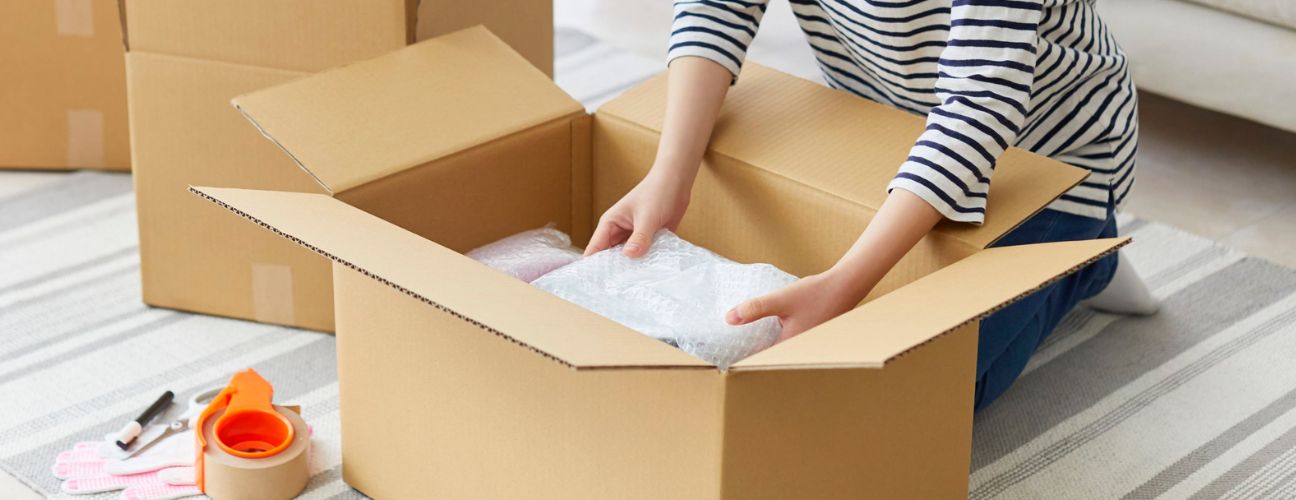
Table Of Content
- Introduction
- Essential Packing Materials
- Step-by-step Packing Guide
- Packing Specific Fragile Items
- Local Moves Vs. Interstate Shipping
- Using Professional Packing Services In NZ
- Insurance For Fragile Items
- Sustainability & Eco-friendly Packing
- Common Mistakes To Avoid
- Conclusion
Packing fragile items requires extra care to safeguard them from damage. Delicate glassware, antique home decor and a classic piano are the most susceptible to breakage if not correctly packed. In a way, proper packing saves the goods, some of which may be great in sentimental value, from theft or, at worst, diminishes some stress.
Particularly in New Zealand, for a long-distance relocation, the items shall be loaded several times, cross by ferry, and traverse roads that are not very well maintained, thereby increasing the chances of damage. Moving overseas involves longer transit times and customs inspections, coupled with the item being handled by various carriers that require added protection. On the other hand, any good spent on packing takes a bit in guaranteeing its delivery in excellence to the new home.
Essential Packing Materials
- Bubble Wrap – It provides cushioning and absorbs shocks and is an excellent material to wrap glassware, ceramics, mirrors, and electronic items.
- Packing Paper – It is good for wrapping plates, bowls, and surfaces that are delicate. It does not hurt a surface without adding bulk.
- Foam Peanuts or Air Cushions – Fill empty spaces in boxes to keep things from shifting during transit.
- Corrugated Cardboard Sheet – Divider between layers of items or for extra protection around fragile goods.
- Heavy-Duty Moving Boxes - Double-weighted; thicker than ordinary boxes and hence better at protecting heavy or breakable items. They are considered a must for long-distance and inter-island moves within New Zealand.
- Fragile Markers and Labels - Boxes need to be clearly marked with "FRAGILE" or "HANDLE WITH CARE." It alerts movers and reduces the risks of mishandling. Using colour-coded labels and organisers also assists with unpacking.
Where to Buy Packing Materials For Fragile Items in New Zealand
- Bunnings Warehouse - They have a good price range and everything you can ever need for packing.
- Mitre 10 - Boxes and protective materials, stronger brands.
- NZ Post Shops - Good for smaller moves and courier packaging.
- Professional Moving Companies - They have tailor-made packing kits for fragile items.
Using top-quality materials will certainly keep your fragile belongings safe through the journey.
Step-by-Step Packing Guide
Prepare the Box
- For utmost protection, select a sturdy double-walled moving box.
- Put in 5 to 8 cm of cushioning material of any sort, such as crumpled packing paper, bubble wrap, or foam peanuts. This will create a shock-absorbing base.
Wrap Each Fragile Item Individually
- Use bubble wraps or packing papers to cover each item individually so that there is no surface left visible to exposure.
- For any items that have lids, like teapots or jars, wrap the lids separately; then assemble the two parts.
- Secure them with tapes so that they do not come loose.
Adding Dividers for Extra Precaution
- Set cardboard dividers for items like glassware, wine, or ceramics to prevent clashing.
- Put smaller wrapped things inside sturdy dividers or boxes with special partitions.
Fill Empty Spaces
- Put wrapped items in the box whilst keeping them exactly snug without forcing.
- Fill such spaces or voids with crumpled paper, packing peanuts, or soft cloths that keep them from moving around.
- Put the heaviest items on the bottom and lighter and more fragile ones on the top.
Securely Seal the Box
- Close the lid of the box and tape it all over with heavy-duty packing tape, putting extra tape across all edges and seams.
- Put additional tape on the bottom for heavy boxes.
Label Clearly
- Write "FRAGILE" in large letters on multiple sides of the box.
- Directions for orientation will be provided by marking "THIS SIDE UP."
- Colour-coded or printed labels alert movers to handle boxes with care and ease in unpacking.
These steps minimise the possibility of breakage and guarantee that fragile belongings arrive intact at the destination.
Packing Specific Fragile Items
Glassware and Crockery
- Wrap each item one at a time in packing paper or bubble wrap.
- Place the plates vertically in the boxes, with cardboard dividers for added support.
- Fill in with crumpled paper to prevent any movement.
Mirrors and Picture Frames
- Texturing the surface with a cardboard sheet and wrapping the item securely with bubble wrap are recommended.
- Use corner protectors so that no chip or crack develops.
- Store and move mirrors and frames vertically; never flat.
Electronics and Appliances
- Use original packing whenever possible.
- Use anti-static bubble wrap for wrapping your merchandise and cardboard sheets for protecting the screens.
- Label each cord and place it in a separate sealed bag for fast reassembly.
Artwork and Collectibles
- Wrap paintings and sculptures in acid-free paper to protect them from harm.
- Use custom-sized boxes or crates for important pieces.
- Ensure that bubble wrap never touches painted surfaces directly, as it may stick.
Wine or Liquor Bottles
- Wrap bottles with bubble wrap and pack in partitioned boxes.
- Bottles should be packed upright with some padding on the bottom.
- Be very snug to avoid rattling, an important consideration for the wine collectors in NZ.
Local Moves Vs. International Shipping
Local or Intercity Moves
- Use double-wall boxes for handling, which includes ferry crossing.
- Tie down tightly, as the roads can be rough outside urban areas, while longer travel times need that extra security.
- Weatherproof packing can protect an item while awaiting the day to be sunny or against a downpour.
International Shipping
- Items must be packed to conform to airline/freight requirements.
- Declare its contents correctly, so samples must not be delayed by customs.
- Untreated wooden crates are best avoided, given the strict NZ quarantine regulations.
- The export packer should be used for the fragile goods; otherwise, using professional movers can be an option.
Using Professional Packing Services In NZ
Advantages of Hiring Movers Who Have Fragile Expertise
- Professionals use high-quality packing materials and methods.
- Everything is custom-wrapped, be it glassware or mirrors, to minimise the risk of breakage. Electronics also receive special attention.
- Movers have the means to carry fragile, heavy or awkwardly shaped items, reducing the risk of personal injury.
- It is time-saving, something much needed with big families or international relocations.
Cost Considerations
- Professional packing might look expensive, but it eventually saves money by averting costly damages.
- Many companies allow fragile-only packing, decreasing the overall charge.
- Some movers offer packages that include insurance, so clients can be assured.
- Comparing a few quotes will help one balance what to pay and what you will get.
Looking for a Trusted Packer And Mover in NZ
- Go with those who have experience in packing fragile items.
- Check if they do special fragile packing or custom crating for valuables.
- Check online for reviews and ratings about a company.
- Ensure they are accredited, and confirm that they offer transit insurance.
Professional packing and associated services give convenience and security and, most importantly, assurance when moving goods that are fragile either across New Zealand or overseas.
Insurance For Fragile Items
Transit insurance is an absolute must when fragile belongings are to be moved and are involved in accidents, mishandling, or delays in transit. The insurance gives one peace of mind and financial security should any damage or loss occur to valuables during the transit of such goods.
Moving companies in New Zealand usually provide insurance packages for fragile goods against breakage during packing, loading, and transit. Alternatively, the homeowner can have this cover arranged through specialist insurance companies or include it with their contents insurance. You must ensure that you select a policy that will protect fragile items from being broken during relocations, whether local or interstate.
Sustainability & Eco-Friendly Packing
Recyclable or Biodegradable Materials
- Instead of plastic bubble wrap, try to go biodegradable with cornstarch or paper-based alternatives.
- Set your sights on packing paper that can be recycled rather than Styrofoam, which isn't very environmentally friendly.
- Place cardboard dividers and corrugated sheets into your cart as substitutes for plastic inserts.
Reusing Packing Supplies
- Recycle boxes used in moving offer a sturdy option from retail shops or community recycling hubs.
- Employed newspapers, magazines, or towels can be used as wrapping materials.
- It reduces landfilling and also saves packing costs.
Eco-Friendly Packing Methods
- Avoid overpacking; choosing an apt box size will save materials.
- Household items, such as blankets, duvets, and clothes, can work well for cushioning fragile items.
- Label boxes according to items worthy of reuse or recycling after unpacking.
Many professional movers offer green packing in NZ. Using green packing will protect the fragile belongings and decrease the environmental impact of the move.
Common Mistakes To Avoid
Too Much in One Box
- Overcrowding items in one box will make the items prone to breaking.
- The heavier the box, the more difficult it is to hold. There are more chances of it being dropped, and under certain conditions, it can just give way.
- The best way is to spread out the fragile items among several boxes to have a balanced weight distribution and maintain safety.
No Padding, Gaps Left Intact
- Spaces inside the boxes will give room for the items to move during transit, hence preventing cracking and chipping.
- When one forgets to put padding under or around the sides of the contents, they leave the fragile goods open to shocks and vibrations.
- Never shy away from filling the boxes with lots of crumpled paper, bubble wrap, or solid foam peanuts to protect all sides of the contents and fill any voids.
Using Weak or Used Boxes
- Weak boxes will fold up when pressure is applied, especially during long-distance or inter-island moving.
- Used boxes may have already been soaked in the past or may carry some residual wear from their usage histories, further endangering their fragile contents.
- Good options include sturdy, double-walled cartons meant for heavy or fragile items.
Avoiding common mistakes goes a long way in securing and protecting fragile belongings, with fewer loopholes to avoid very costly damages while in transit during a move in New Zealand.
Conclusion
Packing fragile goods requires a good deal of forethought, high-quality materials, and careful handling. The whole process- the selection of a strong box, the proper amount and type of cushioning, and not overpacking is involved in protecting your valuables. For interstate or international moves, the process requires extra care in mind. Plan, pack smart, and perhaps get professional assistance to protect your belongings. Contact your local movers for a safe and cacophony-free relocation.
YOU MIGHT ALSO BE INTERESTED IN
Capital Cities
- Movers Services in Whangarei
- Movers Services in Auckland Central
- Movers Services in Hamilton
- Movers Services in Whakatane
- Movers Services in Gisborne
- Movers Services in Napier Terrace
- Movers Services in Stratford
- Movers Services in Palmerston North
- Movers Services in Wellington Central
- Movers Services in Richmond
- Movers Services in Nelson East
- Movers Services in Blenheim Central
- Movers Services in Greymouth
- Movers Services in Christchurch
- Movers Services in Dunedin Central
- Movers Services in Invercargill
- Movers Services in Waitangi