
How to Fix a Leaky Tap?
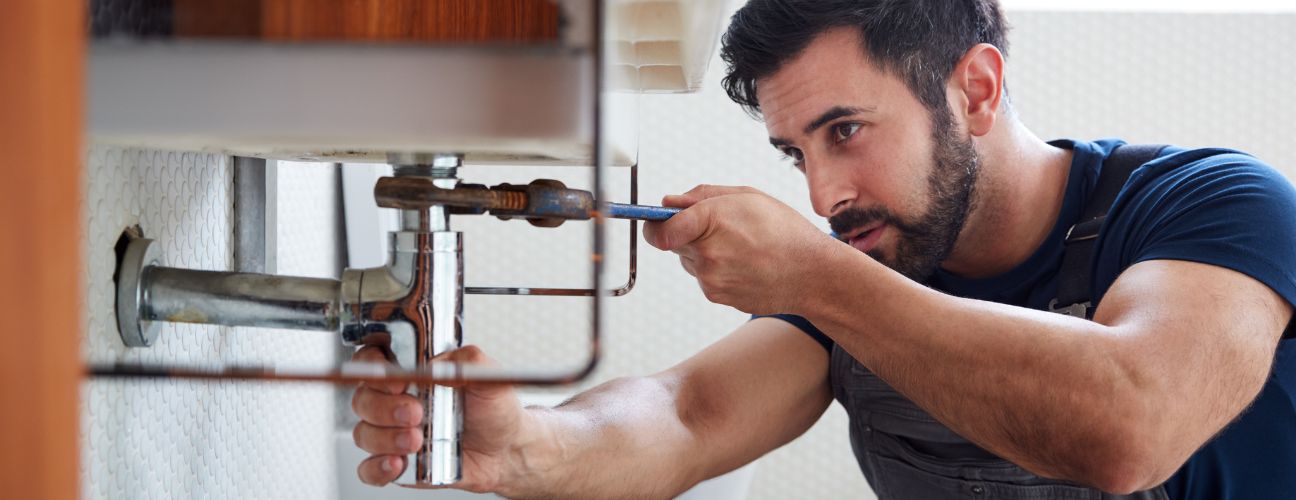
Table Of Content
- Introduction
- Why Is Your Tap Leaking?
- Tools and Materials You Will Need
- Step-by-Step Guide to Fixing a Leaky Tap
- Special Tap Leaking Cases and Troubleshooting
- How Much Does It Cost to Fix a Leaky Tap in New Zealand?
- When to Call a Professional Plumber
- Water Conservation in New Zealand: Why Fixing Leaks Matters
- Preventing Future Tap Leaks
- Conclusion
Even though a dripping tap might seem like a minor annoyance, it can waste thousands of litres of water every year. It may increase your water bill and eventually cause damage to your fixtures. Water conservation has become increasingly important in New Zealand due to regional shortages and environmental concerns. So, fixing a leaky tap is very necessary to protect your property from unusual damage. It is cost-effective as well.
Well! For this problem, you don't always need to call a plumber. The majority of New Zealand homeowners can repair a leaking tap on their own with a little patience, the correct equipment, and some knowledge. We are here to discuss the major concerns and the best solutions to fix a leaky tap.
Why Is Your Tap Leaking?
It is important to understand the initial cause of the tap dripping before reaching for the wrench. Typical reasons include:
- Worn-out washers: To stop water flow, traditional compression taps use rubber or nylon washers. These deteriorate with time and permit drips.
- Damaged O-rings: O-rings in mixer taps are susceptible to wear or cracking. This may cause leaks near the spout or base.
- Failure of a cartridge or ceramic disc: In place of washers, modern mixer taps frequently use cartridges or ceramic discs. Drippage happens when these don't work.
- Loose or corroded parts: Leaks may be caused by loose or corroded parts, general wear, or corrosion.
- Problems with water pressure: In some areas of New Zealand, high water pressure can put additional strain on tap parts, causing drips.
Once you determine all possible causes of a leaking tap, you can decide whether to consult with a professional or try it yourself to fix a leaky tap.
Tools and Materials You Will Need
Most leaky taps in New Zealand homes can be fixed with the following supplies:
- Shifting spanner, or adjustable spanner
- Flat-head and Phillips screwdrivers
- Variety of tap washers (in New Zealand, the most common sizes are 12mm and 15mm)
- Ceramic cartridges or O-rings, depending on the type of tap you have
- Grease from a plumber
- Set of Allen keys (for mixer taps)
- To protect chrome finishes, use a cloth or towel.
- bucket (for collecting drips)
You can easily find these tools and materials in local hardware stores in New Zealand.
Step-by-Step Guide to Fixing a Leaky Tap
Step 1: Identify Your Tap Type
One of these tap types is typically found in New Zealand homes:
- Conventional compression taps with distinct hot and cold handles
- Mixer taps (single lever, typical in contemporary bathrooms and kitchens)
- Ceramic disc taps (smooth turning; typically it takes half a turn or less to open completely)
Each type needs a different fix, so knowing yours is essential.
Step 2: Turn Off the Water Supply
Don't start without turning off the water. You can find the isolation valve in your house. This is usually outside, close to the mains, under the sink, or next to the hot water cylinder. You can until the water stops flowing, turn it clockwise. Before you begin working, open the faucet to relieve any last-minute water pressure.
Step 3: Dismantle the Tap
For compression taps:
- Take off the handle's ornamental cap.
- Lift it off by unscrewing the handle.
- The tap bonnet (the metal covering) can be loosened with a spanner.
For mixer taps:
- Search for a tiny screw, which is frequently concealed beneath a hot/cold indicator.
- To remove the handle, use an Allen key.
- Remove the cartridge by unscrewing the retaining nut.
- To ensure you don't lose any small parts, place them in a bowl.
Step 4: Inspect and Replace the Washer, O-Ring, or Cartridge
- Washer taps: Change the rubber washer located at the spindle's base. Make sure it fits the previous size (12mm is typical in New Zealand, but double-check).
- Mixer taps: Use a different model of cartridge if yours is broken. To find the correct match, take the old one to your neighbourhood hardware store.
- O-rings: For a tight seal, replace the O-ring and apply plumber's grease if there is leakage around the spout.
Step 5: Reassemble the Tap
After replacing the defective component
- You can reattach the handle, spindle, and bonnet in reverse order.
- Then, you can tighten the retaining nut and carefully replace the cartridge in the mixer taps.
- After that, you can put decorative caps back in place.
Step 6: Turn the Water Supply Back On
You restart the water mains gradually. Then, check for drips by opening the tap. The part might not have been installed correctly, or the seat inside the tap body might be damaged, if the leak continues.
Special Tap Leaking Cases and Troubleshooting
- Leakage around the tap's base: Usually an O-ring problem. Grease and replace the O-ring.
- Persistent drips after washer replacement: After replacing the washer, persistent drips could indicate that the tap seat is corroded or pitted. To smooth it, use a reseating tool, such as a tap reseater.
- Leaking mixer tap at the spout: Most likely a cartridge problem. Swap it out for the exact model (Methven, Caroma, or Greens are popular brands in New Zealand).
- High water pressure: Installing a pressure-reducing valve may be necessary if your tap continues to malfunction.
How Much Does It Cost to Fix a Leaky Tap in New Zealand?
Do-it-yourself fixes are reasonably priced:
- O-rings and washers: $2 to $10
- Tap reseater tool: $20–$30
- Cartridge replacements: $25–$80
- Complete tap replacement: between $50 and $300+
If you hire a plumber, you should budget between $100 and $180 per hour plus call-out fees, which vary by region and range from $60 to $100.
Many Kiwi homeowners save money by doing simple washer or O-ring replacements themselves. However, hiring a licensed plumber is frequently the best option for complicated problems or mixer taps.
When to Call a Professional Plumber
DIY projects aren't always sufficient.
- If the leak still occurs after changing the washers or cartridges, you should call a plumber.
- The mains valve isn't shutting off correctly.
- The tap seat is seriously damaged.
- The water pressure is unusually high.
- Disassembling contemporary mixer taps makes you uncomfortable.
New Zealand's licensed plumbers are adept at resolving these problems fast and are also able to look for more serious plumbing issues.
Water Conservation in New Zealand: Why Fixing Leaks Matters
Regional councils and Watercare estimate that even a slow drip can waste up to 20,000 litres of water annually. By conserving water, you can indirectly save money. It is also an investment in resource protection.
By repairing your tap promptly, you:
- Conserve water for your community.
- Cut the amount of water you pay each month.
- Increase your plumbing fixtures' lifespan.
Preventing Future Tap Leaks
- You may avoid overtightening faucets as this can harm washers.
- As soon as wear appears, you can contact a plumber to inspect and replace the washers or O-rings.
- You can clean aerators frequently to avoid mineral accumulation.
- If the mains pressure is high where you live, you should ask a plumber to install a water pressure regulator.
- You can pick reputable brands that are well-known in New Zealand.
Conclusion
Not only is a leaking tap an annoyance in the home, but it also wastes money and valuable water. Fortunately, most homeowners in New Zealand can repair themselves with a few tools and the correct technique. DIY tap repair is simple and rewarding, whether you are replacing a mixer cartridge, lubricating an O-ring, or changing a washer.
However, if the issue continues or seems too complicated, take quick action. Call a qualified plumber to fix a leaky tap. You will be able to save money as well as water resources. So, don’t delay and call a professional to fix the issue.
YOU MIGHT ALSO BE INTERESTED IN
Capital Cities
- Plumbers Services in Whangarei
- Plumbers Services in Auckland Central
- Plumbers Services in Hamilton
- Plumbers Services in Whakatane
- Plumbers Services in Gisborne
- Plumbers Services in Napier Terrace
- Plumbers Services in Stratford
- Plumbers Services in Palmerston North
- Plumbers Services in Wellington Central
- Plumbers Services in Richmond
- Plumbers Services in Nelson East
- Plumbers Services in Blenheim Central
- Plumbers Services in Greymouth
- Plumbers Services in Christchurch
- Plumbers Services in Dunedin Central
- Plumbers Services in Invercargill
- Plumbers Services in Waitangi