
How to Dispose of Demolition Debris?
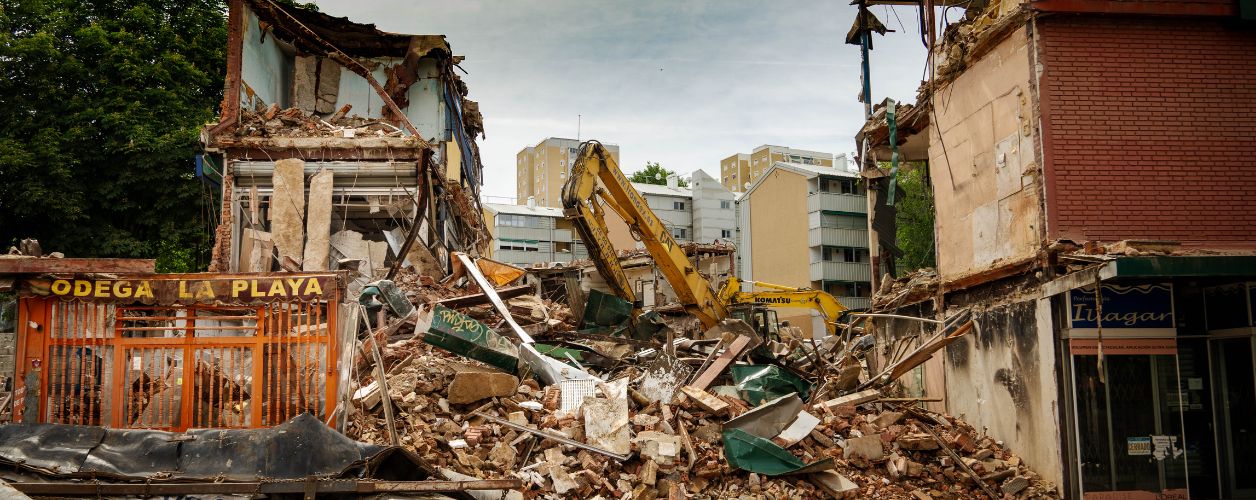
Table Of Contents
- Introduction
- Understand What Counts as Demolition Debris
- Sorting Debris into Categories
- Engaging a Licensed Waste Removal Contractor
- Transporting Demolition Debris Safely
- Recycling and Reuse
- How to Dispose of Hazardous Materials
- NZ Council Guidelines on Demolition Debris Disposal
- Plan for Safety During Debris Removal
- Practical Tips for Efficient Debris Disposal
- Conclusion
Removal of demolition debris is a very important aspect of every demolition or building project. The material used in New Zealand, such as demolished home or business property waste or renovation dismantling, requires proper consideration so it does not break the environmental laws and regulations, expose people to dangerous situations, or waste in landfills. Wastes disposed of improperly can result in fines, legal problems and environmental degradation.
Be it in terms of demolishing an old house, renovating a building, or grading some land, there is a need to understand the process of sorting, eliminating, and recycling demolition waste. This guide elaborates on the process step by step and offers useful tips to owners of the houses as well as contractors.
Understand What Counts as Demolition Debris
Common Types of Debris
There is a great variety of materials that may result in demolition debris. Some of the common ones include concrete, tiles, bricks, timber, roofing, plasterboard, metals and plastics, among others. Hazardous material may also be found in the debris inside older buildings in the form of asbestos, lead-based paint or wood covered with mould. The knowledge of the kinds of debris that exist is a step in the right direction to using effective disposal.
Hazardous Materials
Determining the dangerous substances in advance is highly essential since they require special treatment. Take the case of asbestos material, which cannot be disposed of in ordinary landfill areas but has to be removed by a licensed demolition contractor. There is also a chance that lead paint, treated timber, and existing chemicals used in the past building may require expert disposal.
Good identification avoids the occurrence of contamination and ensures both the environment and the workers are safeguarded.
Sorting Debris into Categories
Wood and Timber
Framing, flooring or cabinetry timber may be readily salvaged or recycled. Untreated timber is simpler to recycle than treated/painted timber, which might have to be separated and disposed of under council regulations.
Concrete and Masonry
As well as concrete, bricks and masonry may be crushed and reprocessed into fill or other construction base material. Separation of these other materials from others lowers the expenses of land filling, as well as adopting green standards.
Metals
Steel beams and copper piping, and aluminium fixtures are some metals that should be segregated and recycled. These materials can be recovered through scrap metal collectors who often pay for them and, hence, can save certain demolition costs.
Plastics and Man-Made Materials
When possible, they should sort plastics (in roofing, insulation or piping) to be recycled. Certain types of plastic used are accepted in some councils and recycling points, and this small aspect contributes to diminishing the amount that goes to landfill.
Hazardous Debris
Asbestos, lead paint, plated wood, and chemical wastes will have to be managed independently and must be disposed of at licensed facilities. This is to abide by the law and environmental standards.
Engaging a Licensed Waste Removal Contractor
Importance of a Professional Contractor
Licensed waste removal contractors have experience, equipment, and knowledge on how to remove the debris of demolitions safely and legally. They can have skips, trucks and recycling organised as well as ensuring that waste which is hazardous is disposed of in the right manner. A professional is convenient because of possible risks reduction, time savings and guaranteed acquaintance with council rules.
Planning the Collection
The amount and kind of trash generated will usually be evaluated by your contractor, who will establish a plan to collect and dispose. This could involve various skips of various materials, pickups of trucks and making plans for recycling or disposal in the waste dumps. When the right planning is put in place then there are no delays and a smooth workflow.
Transporting Demolition Debris Safely
On-Site Safety Measures
Safety, of course, is a must when moving debris on site. Personal protective equipment (PPE) such as gloves, masks, and safety shoes should be worn by the workers. Heavy materials may require the use of machinery like excavators, loaders or forklifts. Safe routes and loading points eliminate accidents and even injuries.
Transportation to Disposal Sites
After being collected, the debris is taken to the relevant facilities. The metals and timber can be sold off to recycling facilities, the concrete can be sold to crushing plants, and the hazard abandoned to special recycling disposal facilities. During transportation, transport vehicles should be wrapped to avoid the spillage of debris onto the roads; safety and legality should be observed.
Recycling and Reuse
Timber and Wood Reuse
Furniture, flooring or any other construction can be made using salvaged timber. The timber recycling cuts the utilisation of landfills and enhances sustainability. Recycling centres may take untreated and untreated wood to be turned into mulch or chipboard.
Concrete and Masonry Recycling
Bricks and crushed stone can be reused as fill, road base, or for landscaping. A high number of New Zealand demolition companies have deals with recycling industries to reuse such materials effectively.
Metals
Metals are very recyclable and precious. Metals such as steel, copper and aluminium can be melted and reused to manufacture new commodities. Recycling metal saves manufacturing the metal through raw mining and helps the environment stay sustainable.
Plastics
Some plastic debris from demolition may be recycled as well. Although they do not all get approval, isolating plastics can therefore be processed by councils and independent recyclers to reuse them, thus minimising negative impact on the environment.
How to Dispose of Hazardous Materials
Asbestos Disposal
Licensed professionals should always help in the removal of asbestos. When it is removed, it is taken to approved facilities where it is disposed of by the New Zealand law. Disposal should carefully ensure containment, handling and documentation of Asbestos to limit contamination.
Lead Paint and Treated Timber
Treated wood and lead-based paint need to be disposed of in a specialist manner. To transport and process these materials in a safe way, contractors use the guidelines provided by the council so that any harmful chemicals would not leach into the environment.
Chemical Waste
Paint (or other adhesives or chemicals) residues must also be isolated and taken to certified chemical disposal sites. Such measures avert soil and water pollution and are satisfactory regarding environmental requirements.
NZ Council Guidelines on Demolition Debris Disposal
Waste Management Rules
Every council in New Zealand sets rules on the disposal of demolition waste. The need to investigate recycling requirements, landfill requirements, hazardous material requirements and the facility of skip permits is required. A breach in following the local regulations may lead to fines or enforcement visits.
Documentation
Maintain records of waste disposal in terms of receipts upon disposal of these wastes at recycling, landfill sites and at the hazardous material disposal centres. Records indicate conformity to the law and could be required in the future when approval is given to build or sell the property.
Dust and Noise Control
In the process of cleaning up any debris, it is essential to mitigate dust as well as reduce the noise created. The surrounding environment could no longer be endangered by spraying water on piles of debris and using covers on transport trucks. Reducing noise, particularly in residential premises, will not only be in line with the council regulations but will also help in upholding a good relationship with the neighbours.
Reuse and Recycling
Reuse and recycling maximise and minimise landfill volumes and save resources. Demolition may sometimes be more environmentally responsible, as it is sometimes possible to re-use the likes of timber, metals and concrete materials.
Plan for Safety During Debris Removal
Personal Protective Equipment
Helmets, gloves, masks, and steel-capped boots should be worn by workers. On-site accidents are avoided by means of safety training and by appropriate supervision.
Site Management
Organising debris piles, clearing paths and having machinery used in a safe manner minimises the removal process and minimises the risk of injury. Good management of the site is required in the interest of employees and adjacent properties.
Practical Tips for Efficient Debris Disposal
- Get the proper waste removal company.
- Arrange skip bins for a variety of materials.
- Sort out gadgets that can be recycled and those that can be landfilled.
- Other hazardous waste facilities and recycling centres should be communicated with early.
- Possible disposal expenses budget.
- Time for the clean-up of the debris in regards to machinery accessibility and the weather.
Conclusion
Handling of demolition waste in New Zealand entails planning, proper adherence to the law, and implementing safety and sustainability. Debris should be dealt with responsibly, and homeowners can do so simply by sorting their materials and recycling reusable items and disposing of hazardous ones through licensed facilities. To simplify the process, popular advice on council procedures, hiring professional contractors, and paperwork on disposal would make the process smooth, environmentally friendly and regulatory compliant, clearing the way to construct in the future or develop the ground.
YOU MIGHT ALSO BE INTERESTED IN
Capital Cities
- Demolition Experts Services in Whangarei
- Demolition Experts Services in Auckland Central
- Demolition Experts Services in Hamilton
- Demolition Experts Services in Whakatane
- Demolition Experts Services in Gisborne
- Demolition Experts Services in Napier Terrace
- Demolition Experts Services in Stratford
- Demolition Experts Services in Palmerston North
- Demolition Experts Services in Wellington Central
- Demolition Experts Services in Richmond
- Demolition Experts Services in Nelson East
- Demolition Experts Services in Blenheim Central
- Demolition Experts Services in Greymouth
- Demolition Experts Services in Christchurch
- Demolition Experts Services in Dunedin Central
- Demolition Experts Services in Invercargill
- Demolition Experts Services in Waitangi