
What Does a Hammer Hand Do
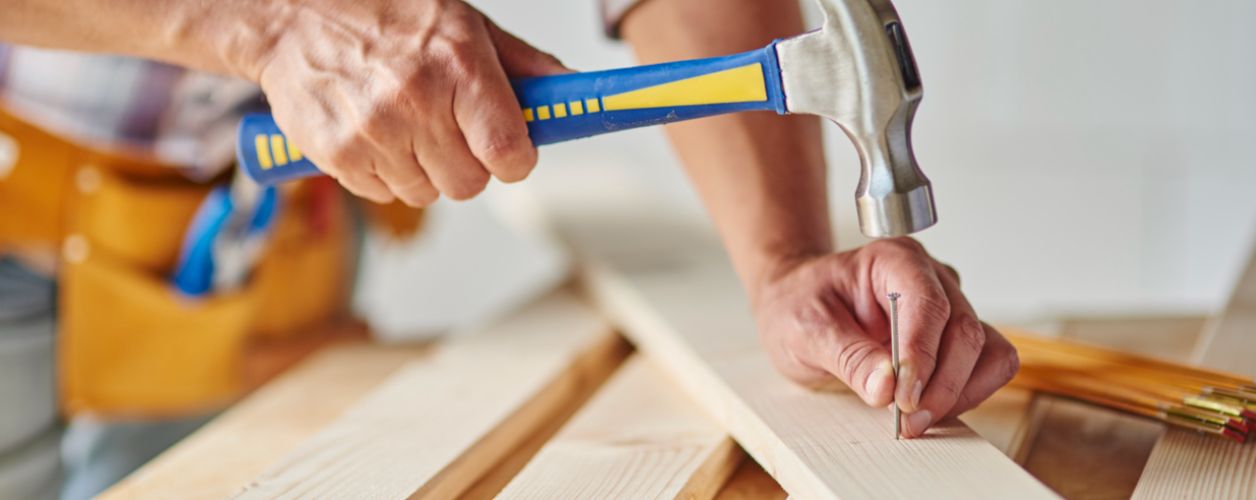
Table Of Content
- Introduction
- Hammer Hand Job Description in NZ
- Daily Duties and Responsibilities
- Skills Every Hammer Hand Needs
- Tools Used by Hammer Hands
- Health and Safety on the Job
- Training and Qualifications
- Typical Salaries of Hammer Hands in NZ
- Construction Careers and NZ Labour Demand
- Conclusion
What Does a Hammer Hand Do? Skills, Tools & Average Wages in NZ
Hammerhands are a central part of New Zealand's construction sector.
They work on residential, commercial, and infrastructure developments.
They assist carpenters and builders with manual labour and keep the
peace and safety of a worksite intact. This job is critical in nearly
every phase of a building project.
Here, you will get to know what hammer hands do. You will also learn
about the tools they handle, the required skills, and how much they
get paid. If you wish to begin a career in construction, hire a handyman for small jobs, or bring on a hammer hand for larger site work, this guide will aid you in understanding this entry-level but skilled job.
Hammer Hand Job Description in NZ
The hammerhead is a skilled worker who conveys the trade to the
construction site. From lifting to cutting to assembling to measuring
materials, hammerhands do a bit of everything.
They move timber, unload materials, and prepare surfaces. They also
help with framing, laying out structures, and tightening fasteners.
Their tasks change depending on the build's phase or the project's
scale.
Hammerhands will receive instructions from the carpenters or the site
foreman. They have to be active and attentive on the job. Climbing
scaffolding, working at heights, or using power tools under
supervision might also be involved.
It is physically demanding for long hours. Employees must be in good
shape to lift heavy materials. The weather condition doesn't matter;
they will still have to get the job done. The daily work environment
may encompass rain, wind, or heat.
Sometimes, hammerhands will also learn basic carpentry skills. With
time, they may progress toward full apprenticeships. Most builders in
New Zealand start as hammerhands, which is a stepping stone in a long
career.
Daily Duties and Responsibilities
A hammer hand's daily routine may vary from site to site. Nevertheless,
the most common functions undertaken by hammer hands in New Zealand
include the following:
Offloading trucks and conveying materials around the site. Wood is
trimmed, and pieces are marked for framing or decking. Nailing is
done, along with supporting beams and assisting in frame assembly.
Setting up temporary fencing, barricading, or formwork. Clearing the
site of rubbish and disposing of construction waste. Tool maintenance
and keeping, and making safe working areas.
They also backfill concrete forms and assist in concrete pouring. Some
hammer hands will aid in flooring, window installation, or roofing,
while others assist in insulation or cladding.
They operate under traditional supervision for the day. They always
work as team members where communication is vital. They keep the
project on schedule and assist the licensed builders in every possible
way.
Skills Every Hammer Hand Needs
Hammer hands must possess several physical and mental capabilities to
operate effectively. Physical strength and stamina are the key; lifts,
carries, bends, and stands!
Hand-eye coordination works as well. Operate their hand tools safely.
Specifications, measurements, specifications, and more specifications
underline the importance of getting it correct.
Talking about other aspects: communication is important because hammer
hands work in teams and need to be able to follow site instructions.
They also need problem-solving skills to correct mistakes and deal
with delays.
A positive outlook is also essential, as it is the nature of this
work. Rain, early morning hours, and much noise are the usual aspects
that surround hammer hands. Therefore, they have to maintain focus and
dedication day in and day out.
Furthermore, time management is another must-have. Every trade task
must be completed with both speed and accuracy. Deadlines are
stringent, and coordination among teams is a prerequisite.
Some tool-related experience would come in handy. It would be good to
know something about using a saw and a nail gun. Safety is big for a
hammer hand; they have to use gear when necessary and avoid any risks
on the work site.
Tools Used by Hammer Hands
Claw Hammer
Claw hammers are at the top of the hammer hand tools list. Hammer's
hands simply use it to hammer nails into wood. The claw side helps
with pulling out nails or lifting wooden boards. It is used in framing
and general carpentry.
Tape Measure
Hammer hands use tape measures to measure lengths and distances. It
helps in cutting wood to exact measures and marking building lines.
Measurements must be exact to avoid mistakes.
Spirit Level
This is a tool to determine whether a surface is plumb or level.
Hammer hands are used for framing and installing windows, studs, or
posts. A structured building will ensure stability in the long run.
Combination Square
This tool marks right angles on wood. It also tests whether frames and
joints are square. Hammer hands are applied frequently while cutting
or marking wood.
Handsaw
A handsaw is employed for working wood manually. It is well-suited for
executing small cuts when power tools are not available. Hammer hands
utilize it for cutting wooden pieces or shaping parts.
Utility Knife
The knife is used in cutting building paper, insulation, and wrapping
plastic, right up to packaging. In addition, it's also useful for
trimming drywall and soft material. Hammer hands are used several
times a day.
Chalk Line
Hammer hands snap chalk lines in order to provide straight cuts or
layout lines on wood or concrete. It ensures accuracy in layout when
framing or marking floors.
Nail Punch
This small metal tool helps to drive the heads of nails under the
surface of woodwork. This gives a neater appearance for decking,
flooring, or framing. Hammer hands commonly use it for crisp results.
Pry Bar (Wrecking Bar)
This is a tool used to lift, pry, or pull timber and nails. It is
mostly used during demolition, site clearances, or framing
realignment.
Clamps
Clamps are used by hammer hands to pull together pieces of wood when
cutting or during the actual construction. It focuses on a better
holding and lining of the set timbers.
Circular Saw
This is a power-propelled tool for the making of rapid straight cuts in
timber. Hammerhands use this under supervision for the cuts of framing
timber, decking boards, or plywood sheets. It saves time and effort.
Power Drill
Hammer hands use power drills to drill holes and screws. This is the
one most commonly used for fixing timber, decking, or framing. It
reduces stress and speeds up work.
Nail Gun
Nail guns fire nails into wood at a fast pace. Hammerhands use it while
framing and decking. It superseded hammering by hand, thus promoting
speedier work.
Reciprocating Saw
The power saw may bite into plastic, metal, or wood. Hammer hands
apply it when demolition or rough cutting is in order.
Drop Saw (Mitre Saw)
This saw is used for cutting timber at angles. Hammer hands put it to
service when doing fine cuts of framing members, trusses, or trim
boards. It provides clean, accurate joints.
Spirit Line and Pegs
They are used to mark out levels and building lines. Hammer hands use
them to align posts with foundations or floors. They are very
important when the construction is still in its infancy.
Wheelbarrow
Hammerhands use wheelbarrows for the movement of concrete, gravel,
soil, or tools across the site. It lessens the burden of lifting and
thus facilitates the task of carrying.
Shovel and Spade
They dig holes for mixing concrete, filling trenches, etc. Hammer hands
used them in groundwork and site preparation.
Concrete Float and Screed
These levels smooth out the surface of the concrete. When working on
driveways, floors, or slabs, hammer hands use them.
Ladders and Scaffolding
Hammerhands use ladders to reach high places safely. Scaffolding
provides a safe working platform for working on walls, roofs, or high
frames.
Tool Belt
Each hammer hand has a tool belt. It carries small tools like hammers,
tape measures, nail punches, pencils, and nails. Good tool belts put
everything at arm's length.
PPE (Personal Protective Equipment)
Not traditional tools, yet they are a must. This encompasses hard hats,
safety glasses, steel-toe boots, gloves, hearing protection, and
high-visibility clothing. Hammerhands have to wear all this equipment
to be safe on-site.
Measuring Wheel
Hammerhands utilize this wheel to measure long distances, especially on
large sites. It assists with laying out large buildings or
foundations.
Plumb Bob
A plumb bob refers to a tool for checking vertical lines. It helps in
the alignment of posts or framing walls.
Marking Pencils and Markers
Hammerhands uses pencils and markers for marking timber, concrete, or
steel. Clear marking helps avoid mistakes while cutting or laying out.
Health and Safety on the Job
Health and safety regulations are very strict on New Zealand building
sites. Hammer hands have to wear personal protective gear (PPE) daily.
This comprises hard hats, safety boots, high-vis vests, gloves, and
safety glasses.
They also need to understand how to identify hazards. These may be
exposed wiring, open trenches, sharp instruments, or loose
scaffolding. They have to inform their supervisor.
Hammer's hands also learn how to lift safely. This lessens injury and
long-term strain. They abide by site regulations and utilize safety
signage correctly.
They also maintain their work zone tidy and clean. Trip hazards, tools
lying around, or rubbish accumulation can cause accidents. Good
housekeeping is a part of a hammer hand hiring.
Health and safety are not negotiable on any building site. Training is
commonly given on-site or via safety induction courses.
Training and Qualifications
Many hammer hands in New Zealand start with no formal training.
However, experience helps. A background in labouring, farming, or
manual work can be useful.
Basic construction knowledge can also help get hired. Some workers
complete a short course in construction. These courses cover safety,
tool use, and building basics.
Some employers offer on-the-job training. This permits workers to gain
skills while earning a wage. Others might prefer to commence a
carpentry apprenticeship after being a hammer hand.
Workers typically need to go through a test period to start a
carpentry apprenticeship. After this, they may join a formal training
program and become qualified builders.
Most construction companies prefer individuals who are reliable,
hardworking, and motivated. You don't require a trade certificate to
become a hammer hand, but you should be open to learning.
Typical Salaries of Hammer Hands in NZ
Hammer hand wages in New Zealand differ by experience level and
location. Trainees or beginning workers get $25 to $28 per hour. With
additional experience, salaries reach $30 to $35 per hour.
In areas of high activity, such as Auckland or Wellington, pay may be
slightly more due to demand and living costs. In country towns or
small towns, pay might be a little less.
Weekly and fortnightly payments occur with some firms, but fortnightly
payments are more common. Allowances can be paid for travel,
equipment, or overtime.
Most hammer hands work 40 to 50 hours a week. During busy building
seasons, they might work longer hours. Overtime is standard on large
or high-priority projects.
Skilled hammer hands with good ability can command better pay. They
might have more responsibilities or work more directly with builders
and site managers.
Individuals who transition to apprenticeships can earn more in the
long run. Highly qualified carpenters get high pay. A hammer hand
position is an excellent stepping stone towards this direction.
Construction Careers and NZ Labour Demand
Construction jobs are among the largest industries in New Zealand.
There is high demand for semi-skilled and skilled labourers. New
homes, roads, schools, and offices require constant labour.
Hammer hands are in short supply nationwide. That's right, even
Auckland, Hamilton, Tauranga, Wellington, and Christchurch need them.
Small towns also require workers to do infrastructure and housing
jobs.
Immigration and city expansion drive demand on an ongoing basis. So too
do natural disasters and reconstruction works. Labour shortages can
hit the industry at peak periods.
Individuals with construction skills or trade backgrounds will likely
obtain work in a shorter period. Those who have excellent references
or a positive attitude tend to be hired sooner.
Construction work is also projected to increase in the future. That
implies more opportunities for hammer hands and others in the
workforce.
Conclusion
Hammerhands are the foundation of New Zealand's construction industry.
They haul materials, construct frames, operate tools, and keep work
sites in working order. They are skilled tradespeople who aid the
success of each project.
They require physical strength, a strong work ethic, and a good
attitude. They need to know how to properly use tools and obey site
regulations. With experience, they can become full-time tradespeople.
Hammer hand jobs are remunerative for initial appointments. With
experience and training, salaries go up. The demand is high throughout
the nation, and employment is found in most places.
If you're considering a career in construction, the hammer hand job
provides a straightforward, hands-on entry. You'll get paid while you
learn and set yourself up for greater opportunities in New Zealand's
building industry.