
How to Dry Out a Wet, Soggy Yard
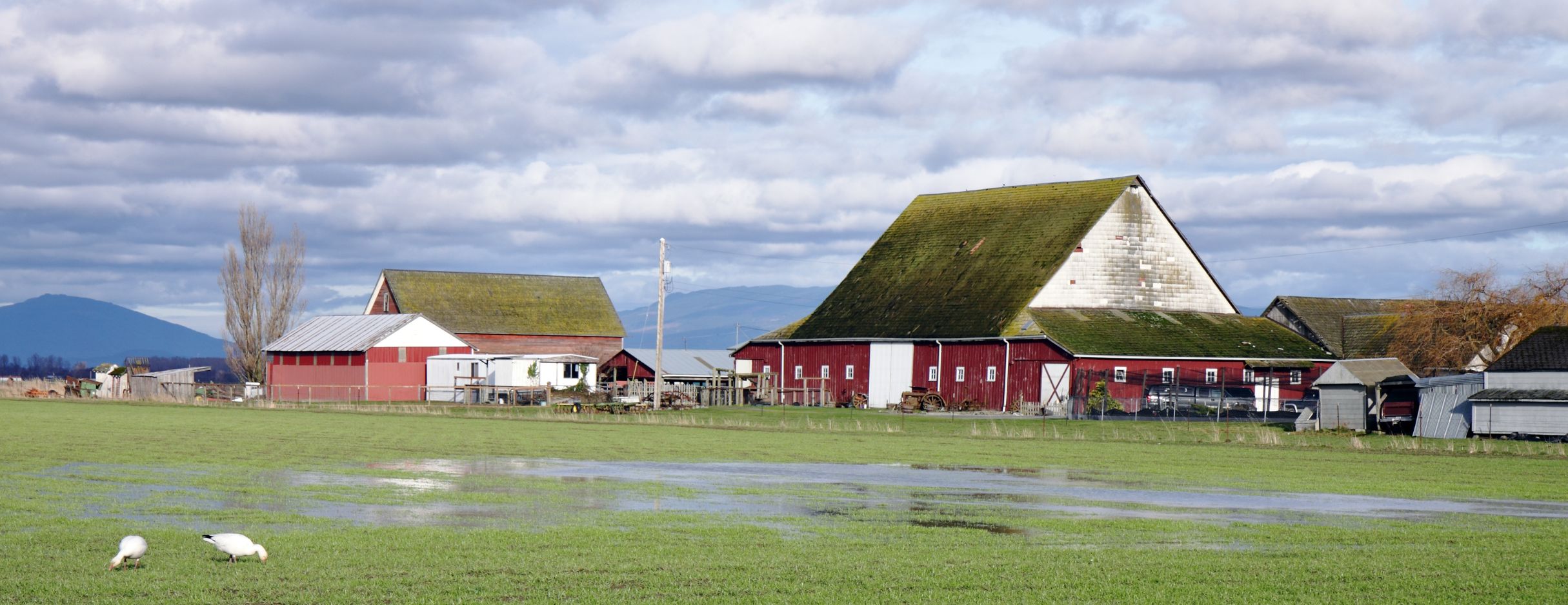
Table Of Content
- Introduction
- Why Yards Become Soggy
- Signs of a Soggy Yard
- Tools and Materials You’ll Need
- Step-by-step Process: How to Fix a Soggy Lawn
- Effective Drainage Solutions for Yards
- Prevention: How to Keep Your Yard Dry in the Long Term
- Cost Considerations To Maintain the Yard Dry
- When to Call a Professional Landscaper
- Common Mistakes to Avoid
- Expert Tips for Faster Results
- Eco-Friendly Drainage Solutions
- Final Thoughts
There is perhaps nothing more irritating to a homeowner than walking into the yard and feeling the wet and muddy ground beneath their feet. A saturated yard not only looks unsightly but also leaves muddy tracks throughout the house, wrecks the grass roots, attracts critters and can potentially weaken the foundation of a house. It is essential to understand how to make a wet lawn dry to preserve not only the attractiveness of the territory but also safety.
In this guide, we are going to discuss cost-effective drainage interventions to deal with yard problems, how and why your lawn gets wet in the first place, and how to permanently drain wet yard conditions.
Why Yards Become Soggy
Poor Soil Drainage
Clay-heavy soils retain more water than sandy soils, thus causing drainage not to take place. Eventually, this causes an eternally soggy and muddy yard.
Compacted Soil
As soil is trampled by feet, machinery or even by heavy rain, water flow in air gaps is eliminated by the soil becoming compact.
Improper Grading
When your yard drains toward the home as opposed to away, it will end up collecting water in low spots, making them soggy.
Excess Rain or Irrigation
In other cases, it is nothing more than an excessive amount of water. Excessive rain or over-watering of the lawn can saturate even good soil.
Signs of a Soggy Yard
Stagnant water that may take hours or days to vanish after rainfall.
Grass that loses its life despite the care given to grass.
Muddy spots that do not dry up all the way through.
Bad smells due to interference with stagnant water.
Puddle infestations caused by mosquitoes.
Spotting these warning signs early makes it easier to figure out how to fix a soggy lawn before long-term damage occurs.
Tools and Materials You’ll Need
Before you attempt drainage solutions for the yard, gather some essential tools: Shovel, rake, Lawn spiking aerator or gardening fork, Sand and gravel, Perforated drainage pipe, Drainage fabric, Wheelbarrow, Seed or sod to reseed the grass.
Having the right tools at hand makes it much easier to dry out wet yard areas effectively.
Step-by-step Process: How to Fix a Soggy Lawn
Step 1. Evaluate the Yard
Walk the yard after it has rained to determine the worst areas. Note whether there is a logging of water at or around the foundation, specifically around low areas and/or overall the lawn.
Step 2: Increase the aeration of the soil
One of the simplest drainage solutions for yard issues is aeration. Poke holes in the lawn by using a lawn aerator or a garden fork to allow the water to penetrate deeper into the soil, as well as enabling the roots to breathe.
Step 3: Add Organic Material
Add anti-rats to repel rats. This step is useful for clay-heavy yards.
Step 4: Level Low Spots
Fill craters with a topsoil/sand mix. This denies the pooling of water and smooths out the surface as well.
Step 5: Install French Drains for Severe Cases
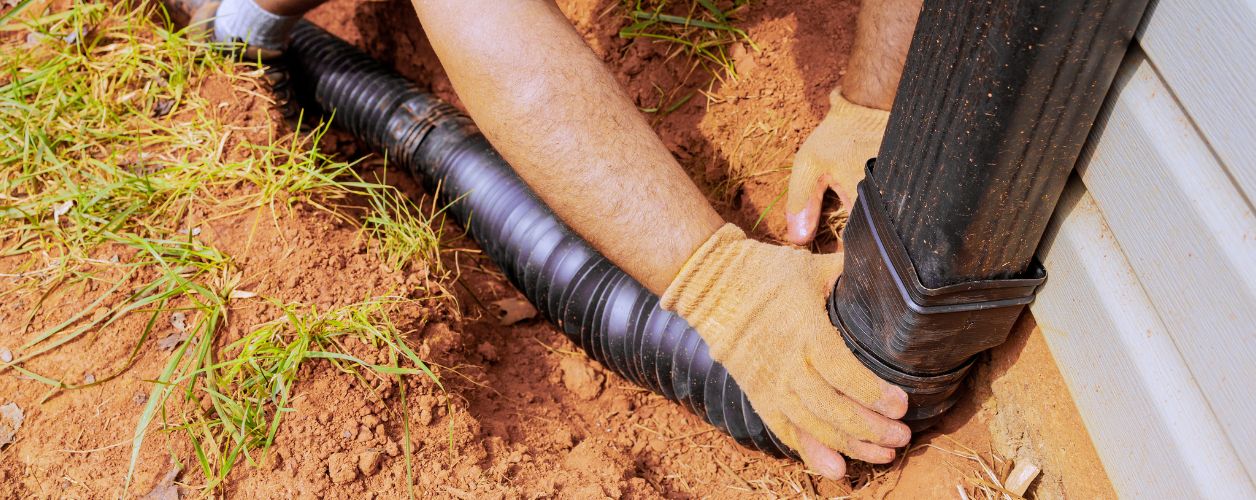
Where it is constant, excavate and put in pipes with perforations covered with a drainage wrap. Cover up with gravel and soil. This directs surplus water off your lawn.
Step 6: Reseed or Resod
When the soil is fixed, plant grass again or sow seeds at damaged spots. Healthy grass aids in better absorption of water in a natural way.
Effective Drainage Solutions for Yards
These underground systems are among the most reliable drainage solutions for yards.
French Drains
Such underground systems are among the surest methods of diverting water. They are made up of perforated pipes placed in pits and encircled by gravel. The French drains are particularly effective around the foundation or in areas that are always wet.
Dry Wells
A dry well is a gravel-filled hole that is installed underground to drain off excess water. They can be used in high runoff yards.
Rain Gardens
A rain garden, a shallow depression filled with native plants, helps to absorb water naturally. Not only does it keep things dry, but it is also beautiful and helps pollinators.
Swales
A swale is a shallow ditch lined by grass or plants that channels water away around problem areas. Swales are not noticeable, as in the case of the traditional drains.
Downspout Extensions
In some cases, the soy in the yard begins with the roof runoff. Long downspouts can prevent pooling a lot as they extend down the side of your foundation.
Gravel Trenches
In small spots, water can be diverted by just digging a gravel trench that does not include any pipes. It resembles a French drain, except that it is easier to install.
Prevention: How to Keep Your Yard Dry in the Long Term
Step one is to fix a wet yard. It is also important to prevent its recurrence. The following are prevention smarts:
Periodically check grading to ensure that the slope is leading water away from the house.
Till once a year to maintain loose and breathable soil.
Smart irrigation timers can help prevent excess water application.
Plant deep-rooted grasses and native plants that will grow in the soil of your region.
Clean gutters and downspouts to avoid overflow of water around your foundation.
Place mulch in garden beds to minimise run off.
Cost Considerations To Maintain the Yard Dry
Aeration and soil amendments: $50-$200 (DIY)
French drain installation: $1,000-$4,000 (DIY is cost-effective depending on size)
Dry wells: $500-$3,000
Rain gardens: $300-$2,000 (depending on plants and size)
Professional regrading: $1,000-$5,000
When it comes to things like aeration, levelling, or even extensions of downspouts, many homeowners can begin with cheap DIY gimmicks before going to an expert.
When to Call a Professional Landscaper
Certain wet yard problems are best handled by experts. Contact a landscaper or a drainage contractor when:
You always find water accumulating on the foundation of your home.
Your cellar is wet or full of water.
Home repairs have not been the solution.
Underground pipes or irrigation leakages are suspected.
As a professional, he or she can assess grading, install drainage systems, and detect underlying causes that you might have overlooked.
Common Mistakes to Avoid
Not everything is simple when it comes to fixing a wet yard. Most of these mistakes made by homeowners either contribute to the problem or end up being a waste of money. Avoid these pitfalls:
Fixing low spots with sand only - Sand will compact and may increase drainage. Always mix with topsoil.
Watering newly planted fields - It can lead to puddling once again. Water lightly but frequently instead.
Neglecting to maintain gutters - Gutters that are full of debris lead to overflow of water in the yard.
Use of shallow-root grass only - Deep-root grasses aid in absorption over the long run.
Omitting soil testing - Not knowing the soil type and level of compaction, you can apply an inappropriate fix.
Expert Tips for Faster Results
Need to dry faster and do not want trouble in the future? These are a few expert-approved tips:
Apply gypsum to clay soils - It loosens up the clay, which enhances the structure of the soil.
Install a sump pump in extreme instances - In extreme cases, a pump may be required if your yard is on a high water table.
Build micro-slopes - Build small slopes across the grass instead of a single large slope to direct the water.
Plant water-lovers in low areas - Plants such as willows, iris or ornamental grasses can grow in wetter areas.
Test the area under the carpet - Sometimes, when the floor is wet, it is not because of rain but rather it is the result of a problem in the underground plumbing.
Eco-Friendly Drainage Solutions
Modern landscaping focuses not only on the process of removing water but in a sustainable manner. The following are green means:
Permeable paving: Instead of having solid driveways or walks, install permeable paving, which allows water to seep through.
Bioswales: These resemble swales, except that they are filled with plants that filter stormwater pollution.
Green roofs: When the problem is caused by the roof run-off, a green roof will decrease the load.
Rain barrels: Rain barrels collect roof runoff and are used to irrigate the garden.
Final Thoughts
A wet yard is not only inconvenient but also serves as an alarm system for bigger drainage problems that may harm your landscape, attract pests and even put your house at risk. With a little insight into the reasons behind the problem and using the correct remedies, including basic aeration and a complete French drain, you can restore your lawn and keep it dry all year round.
You can begin with DIY solutions or pay a professional to install drainage systems, but the thing is to do it. The quicker you manage the wet lawn situation, the better, safer and lovelier your outside environment will be.
YOU MIGHT ALSO BE INTERESTED IN

Capital Cities
- Gardeners Services in Whangarei
- Gardeners Services in Auckland Central
- Gardeners Services in Hamilton
- Gardeners Services in Whakatane
- Gardeners Services in Gisborne
- Gardeners Services in Napier Terrace
- Gardeners Services in Stratford
- Gardeners Services in Palmerston North
- Gardeners Services in Wellington Central
- Gardeners Services in Richmond
- Gardeners Services in Nelson East
- Gardeners Services in Blenheim Central
- Gardeners Services in Greymouth
- Gardeners Services in Christchurch
- Gardeners Services in Dunedin Central
- Gardeners Services in Invercargill
- Gardeners Services in Waitangi